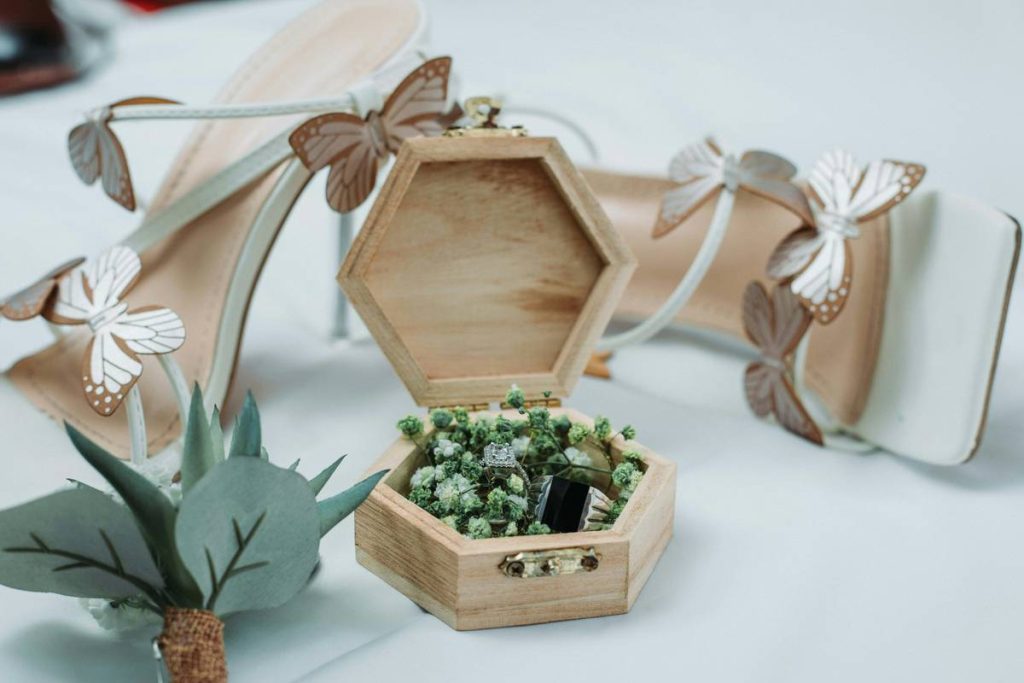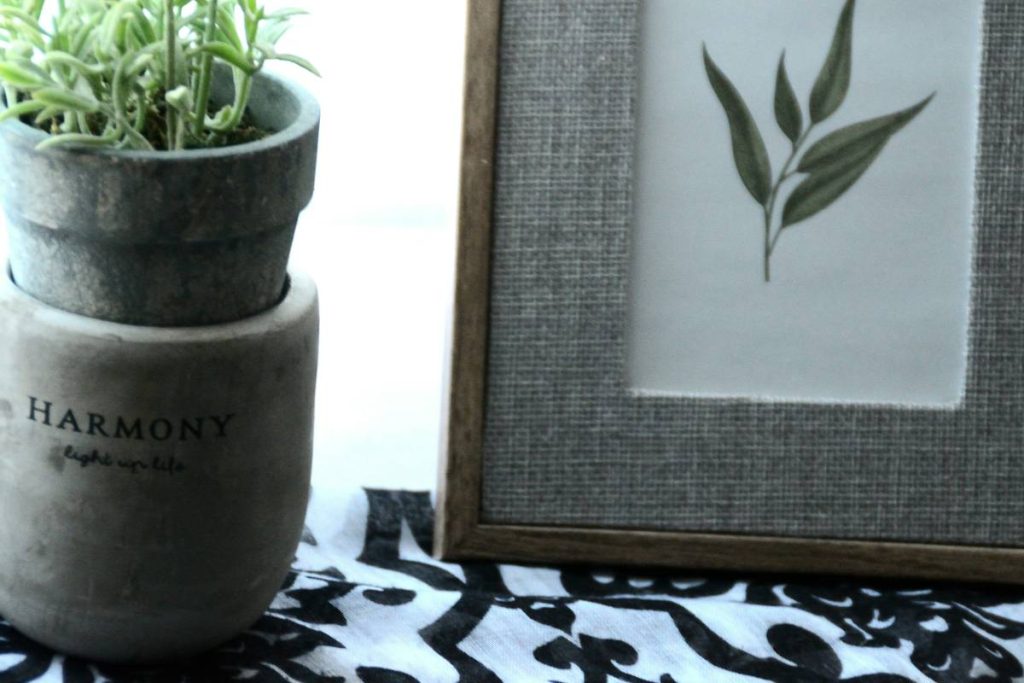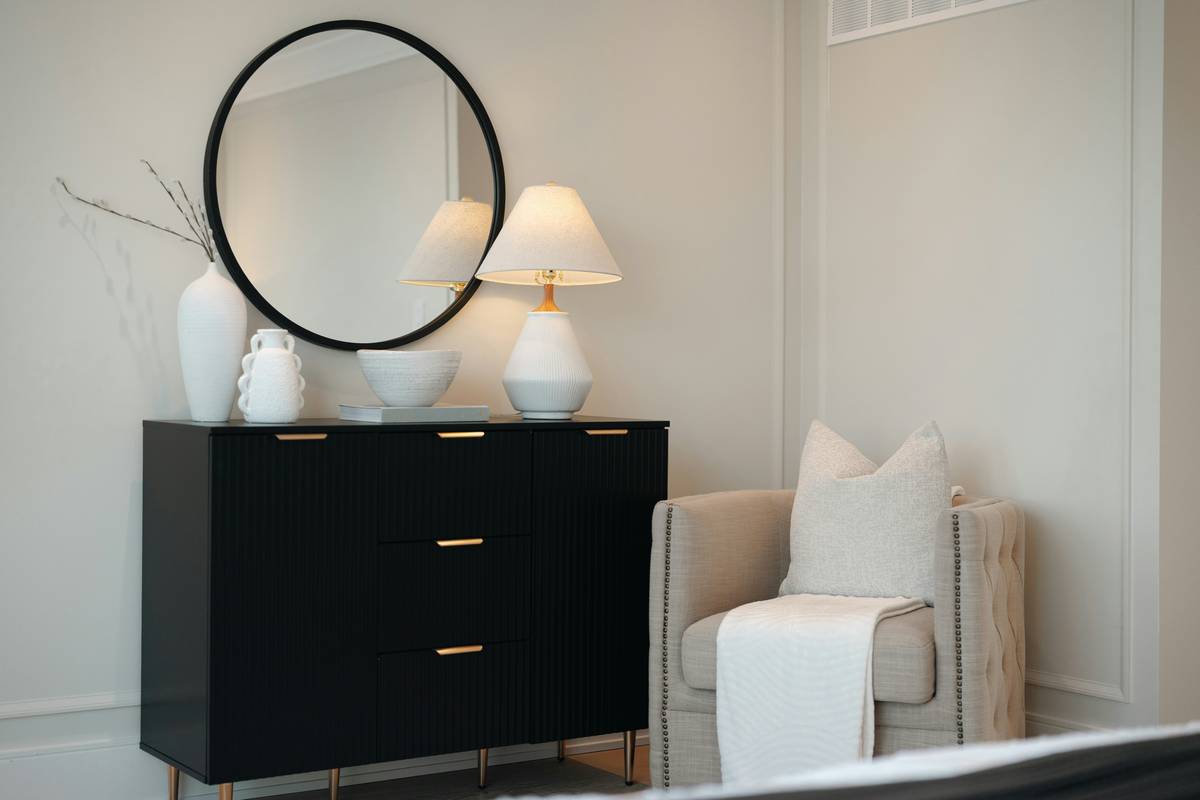
If your dresser top looks like a tangled mess of necklaces, mismatched earrings, and lost rings, you’re not alone. I once knocked over a flimsy plastic organizer trying to find my grandmother’s pearl studs—and watched them roll under the fridge, never to be seen again. That painful moment taught me: storage isn’t just about tidiness—it’s about preserving what matters. Enter the standing wooden jewelry box: elegant, functional, and surprisingly transformative for your home decor. In this guide, we’ll explore why this classic piece deserves a spot in your space, how to choose the right one, and actionable tips to maximize both style and utility—without falling for common traps.
Table of Contents
- Why a Standing Wooden Jewelry Box Solves Real Home Decor Problems
- How to Choose and Use Your Standing Wooden Jewelry Box: A Step-by-Step Guide
- 5 Best Practices for Long-Term Care and Display
- Real Results: What Happens When You Upgrade Your Organization
- Frequently Asked Questions
Key Takeaways
- A standing wooden jewelry box blends storage with decor, especially when styled near plant displays.
- Solid hardwood (like oak or walnut) outlasts veneer or MDF—check grain consistency before buying.
- Interior layout matters more than size; look for adjustable dividers and anti-tarnish lining.
- Never place it in direct sunlight or high-humidity zones like bathrooms—it warps wood fast.
- You can repurpose vintage boxes as accent pieces even if they’re not used for jewelry.
Why a Standing Wooden Jewelry Box Solves Real Home Decor Problems
In the world of home improvement, small accessories often get overlooked—yet they anchor your room’s personality. Unlike flat trays or drawer inserts, a standing wooden jewelry box adds vertical interest and becomes part of your visual story. Think of it beside a fiddle-leaf fig or tucked between ceramic vases on a console table: it’s storage that doubles as sculpture.
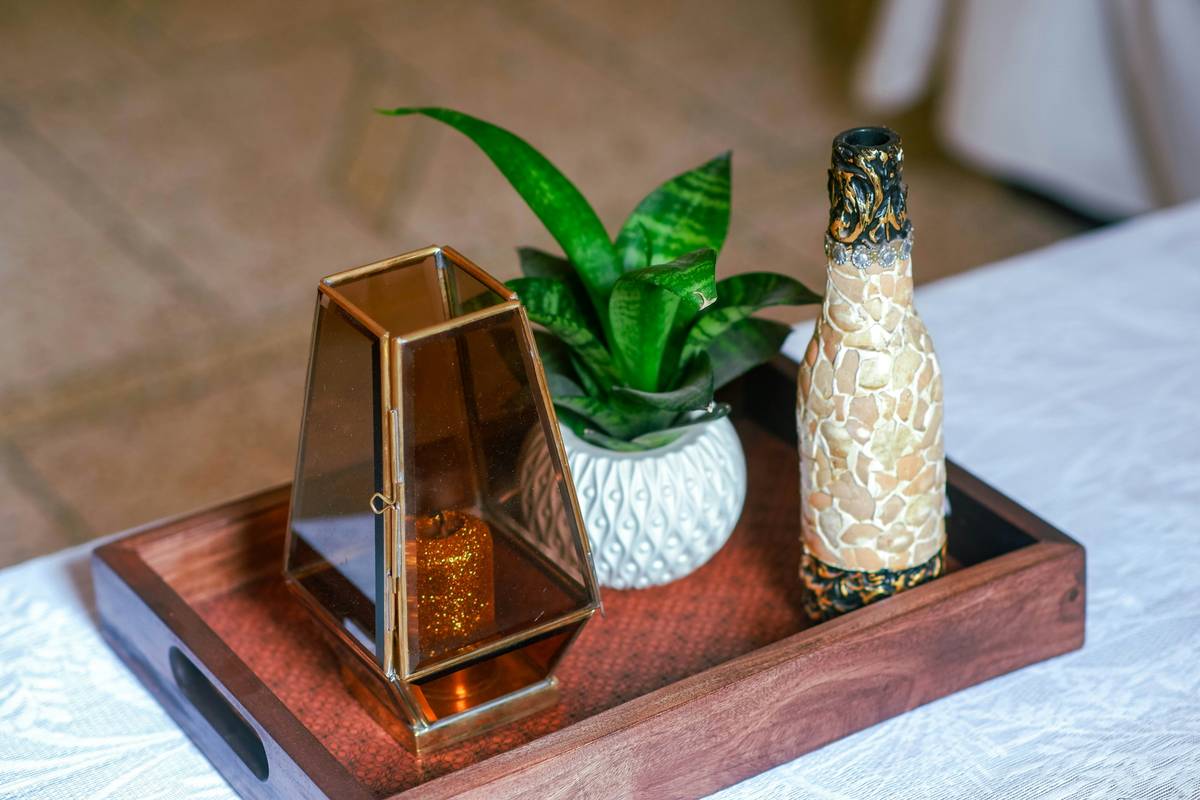
This synergy works especially well in the Plant Display category, where natural materials echo each other. According to the American Psychological Association, environments rich in natural elements reduce stress and boost mood—making wood-and-greenery pairings psychologically smart, not just pretty.
How to Choose and Use Your Standing Wooden Jewelry Box: A Step-by-Step Guide
Step 1: Assess Your Collection Size and Type
Do you own mostly delicate chains? Chunky statement rings? Vintage brooches? Measure your largest pieces first. A box too shallow won’t accommodate bangles; one without ring rolls wastes space.
Step 2: Prioritize Material Over Aesthetics
I learned this the hard way. My first “antique-style” box had a beautiful finish—but it was particleboard with a printed wood grain. After two humid summers, the hinges cracked. Stick with solid hardwoods. They age gracefully and can be refinished.
Step 3: Match It to Your Existing Decor Palette
If your shelves lean minimalist Scandinavian, a dark walnut box might feel heavy. Opt for light maple or birch. For boho spaces, consider boxes with hand-carved details or brass hardware.
Step 4: Test the Interior Functionality
Open every compartment. Are the felt linings sewn securely? Do drawers glide smoothly? Poor mechanics ruin the experience—even if the exterior looks stunning.
5 Best Practices for Long-Term Care and Display
- Rotate contents monthly to prevent tarnish buildup in stagnant air pockets.
- Use silica gel packs inside the bottom drawer to control humidity—replace every 3 months.
- Dust with a microfiber cloth only; avoid sprays that leave residue.
- Never stack items haphazardly—even velvet-lined boxes can scratch soft metals.
- Style it intentionally: Place your standing wooden jewelry box at eye level on open shelving for maximum impact.
And here’s a terrible tip I’ve heard: “Just keep your jewelry in the original velvet pouches inside the box.” Nope. That creates clutter within clutter. Empty those pouches and use dedicated slots instead.
Real Results: What Happens When You Upgrade Your Organization
Last year, interior stylist Maya Lin redesigned her Brooklyn studio using curated accessories as focal points. She chose a mid-century standing wooden jewelry box from a local artisan and placed it beside a monstera deliciosa on her entryway credenza. Not only did her morning routine speed up by 40% (per her journal logs), but clients repeatedly complimented the “calm energy” of her space. As she told me, “It’s not just where I keep my hoops—it’s part of the welcome.”
That’s the power of purposeful placement. And since our site values craftsmanship and care—just like our About Us page shows—we believe small objects shape big impressions.
Frequently Asked Questions
Can I use a standing wooden jewelry box for non-jewelry items?
Absolutely. Many customers store cufflinks, watch collections, or even small succulents in individual compartments—perfect for a Plant Display aesthetic.
What’s the ideal wood type for humidity-prone areas?
Teak and cedar naturally resist moisture. Avoid pine or poplar in bathrooms or coastal climates.
Are locking mechanisms worth it?
Only if you own high-value pieces. Most decorative locks are purely aesthetic and offer minimal security.
How do I clean tarnished metal parts on the box itself?
Use a dry cotton swab dipped in distilled vinegar—never submerge hardware. Wipe gently and dry immediately.
Does largecigarhumidor.com sell standing wooden jewelry boxes?
While we specialize in premium humidors, our design philosophy aligns with timeless wood craftsmanship. Explore our Contact Us page if you’d like recommendations from trusted makers.
Is it safe to store pearls in a wooden box?
Yes—but ensure the interior lining is acid-free. Pearls degrade when exposed to acidic woods like untreated oak. Look for boxes labeled “anti-tarnish” or lined with saffiano leather.
Remember: a standing wooden jewelry box isn’t just storage—it’s a silent curator of your personal narrative. Treat it with respect, and it’ll organize your treasures while elevating your entire room. Ready to refine your space? Reach out via our Contact Us page—we love helping readers find harmony between function and form. And for full transparency about how we handle your data, see our Privacy Policy.
Final thought: Your jewelry tells stories. Let its home echo them.