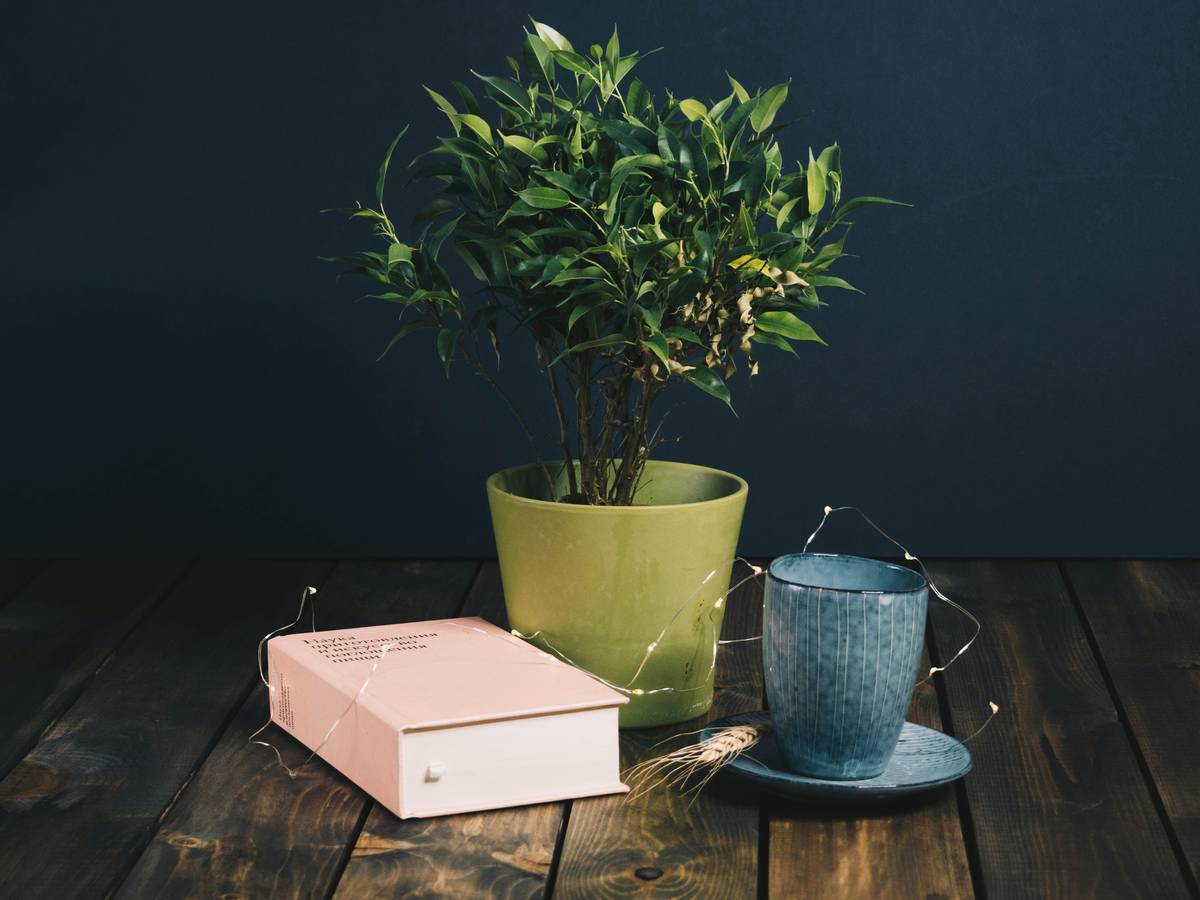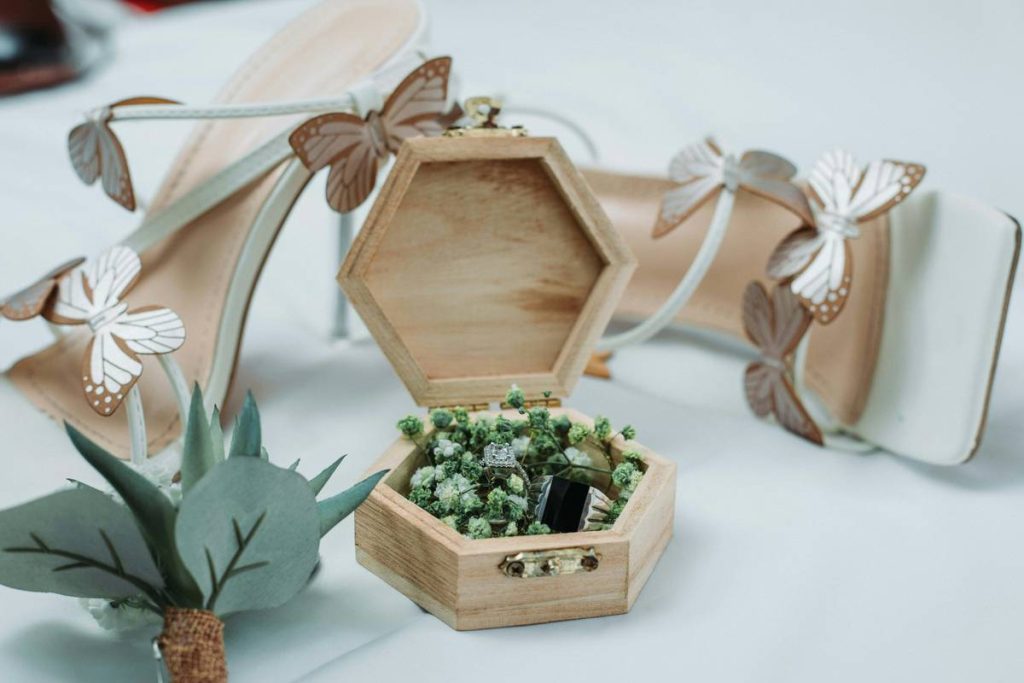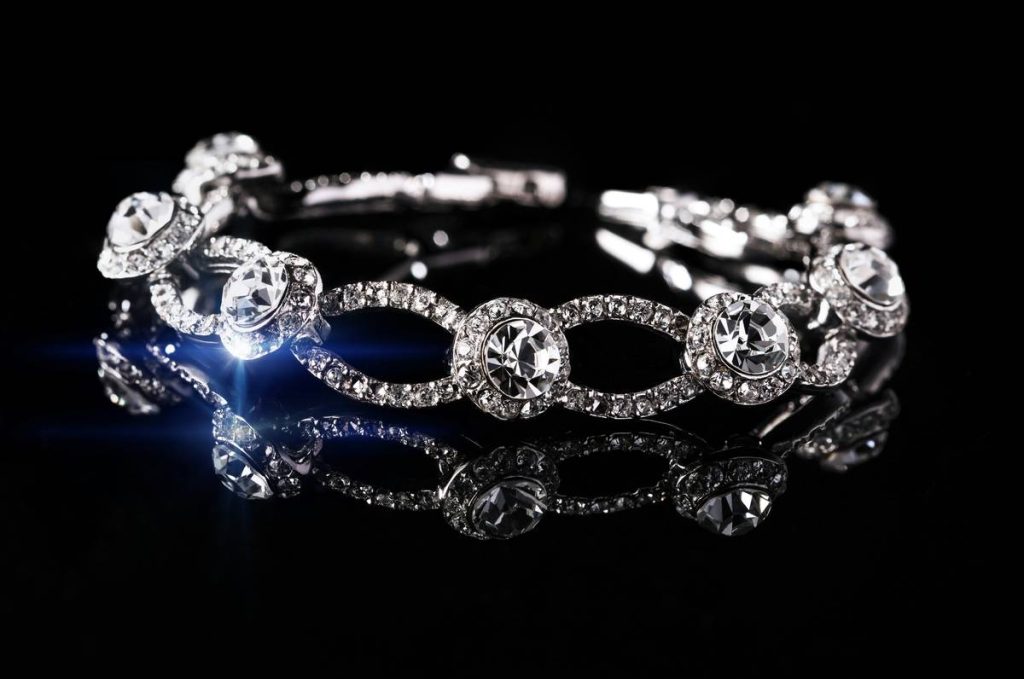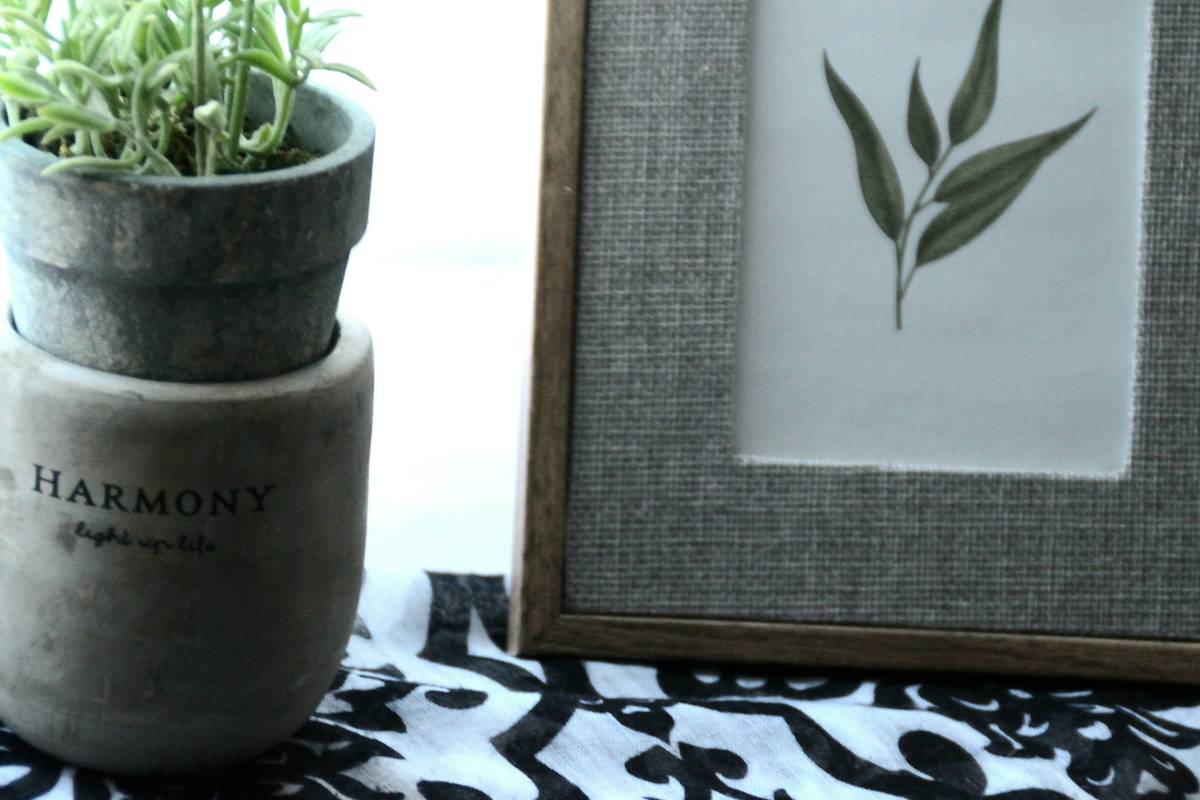
You’ve got shelves cluttered with trinkets, a windowsill drowning in neglected succulents, and that gorgeous jewelry box collecting dust in your drawer. They shouldn’t be separate worlds. But too many homeowners treat plant displays and jewelry storage as entirely disconnected—missing a fusion that solves both aesthetic fatigue and functional chaos. Enter the plant display jewelry box. It’s not a typo. It’s not a gimmick. It’s a design hack hiding in plain sight.
Why Traditional Plant Displays and Jewelry Storage Fail Together
Standard plant stands? Beautiful—but useless for holding anything but soil and stems. Classic jewelry boxes? Practical—but visually sterile unless you constantly rotate pieces. The disconnect creates visual noise. You end up with a “green zone” here and a “glam corner” there—never overlapping, never conversing. And that’s a wasted opportunity.
Here’s the reality: home decor thrives on layered functionality. A single object serving dual purposes reduces visual clutter while amplifying personal expression. Yet most brands still silo these categories. Big mistake.
Plant Display Jewelry Boxe What Are – Your Step-by-Step Setup Guide
Building or choosing one isn’t about buying a random product labeled “plant + jewelry.” It’s about intentional integration. Follow this framework:
Selecting the Right Base Structure
Look for materials that tolerate humidity—wood sealed with polyurethane, powder-coated metal, or ceramic. Avoid untreated MDF; it swells near moisture. Height matters too. Ideal units sit between 10–18 inches tall—eye-level when placed on a dresser or console.
Compartmentalization Strategy
Your jewelry needs dry, isolated spaces. Rings and earrings hate damp air. So place plant wells away from ring rolls or necklace hooks—preferably on opposite sides or levels. And never let soil touch fabric-lined drawers. Ever.
Plant Pairing Principles
Not all greens belong here. Skip high-water plants like ferns. Go for air plants, small succulents, or preserved moss. They demand little water, minimal drainage, and won’t rot nearby wood. Plus—they look stunning next to pearls or gold chains.
| Approach | Cost Range | Best For | Risk Level |
|---|---|---|---|
| DIY Conversion (upcycle old jewelry box) | $5–$25 | Crafters, renters, experimental stylists | Medium (requires sealing expertise) |
| Boutique Hybrid Units (handmade ceramics/wood) | $60–$180 | Permanent displays, gift-givers, collectors | Low (professionally finished) |
| Multipurpose Retail Combos (mass-market) | $20–$50 | Temporary setups, dorm rooms, beginners | High (often poor moisture barriers) |
The Industry Secret: Humidity Control Is Everything
Most designers won’t tell you this—but the real innovation isn’t aesthetics. It’s microclimate management. Top-tier creators embed silica gel chambers beneath jewelry trays or use double-walled construction to buffer root-zone moisture from metal components. One artisan I know even lines drawers with activated charcoal cloth—it absorbs ethylene gas from plants that can tarnish silver. That’s the kind of detail mass retailers skip. And that’s why cheap combos fail within months.
Think about it: your grandmother’s jewelry box survived decades because it was sealed, dark, and dry. Replicate those conditions—even with a living plant nearby—and you’ve cracked the code.
Frequently Asked Questions
Can real plants damage jewelry inside these boxes?
Yes—if poorly designed. Moisture from soil or misting causes tarnish and mold. Always choose units with physical separation and moisture barriers between plant and jewelry zones.
What’s the best plant for a plant display jewelry boxe what are setup?
Air plants (Tillandsia) win. No soil, no drainage, minimal watering. Just soak them weekly and they thrive—posing zero risk to adjacent gems or metals.
Are these just decorative, or actually functional?
When engineered right, extremely functional. The dual-purpose design saves space, reduces clutter, and keeps daily-wear jewelry visible—so you actually use it instead of forgetting it in a drawer.