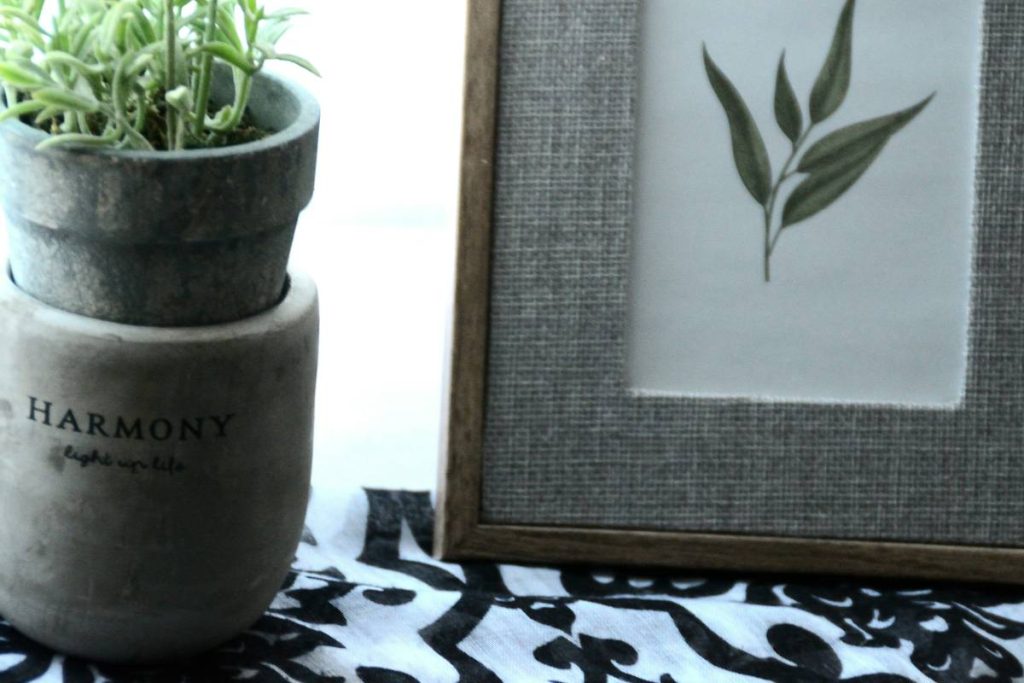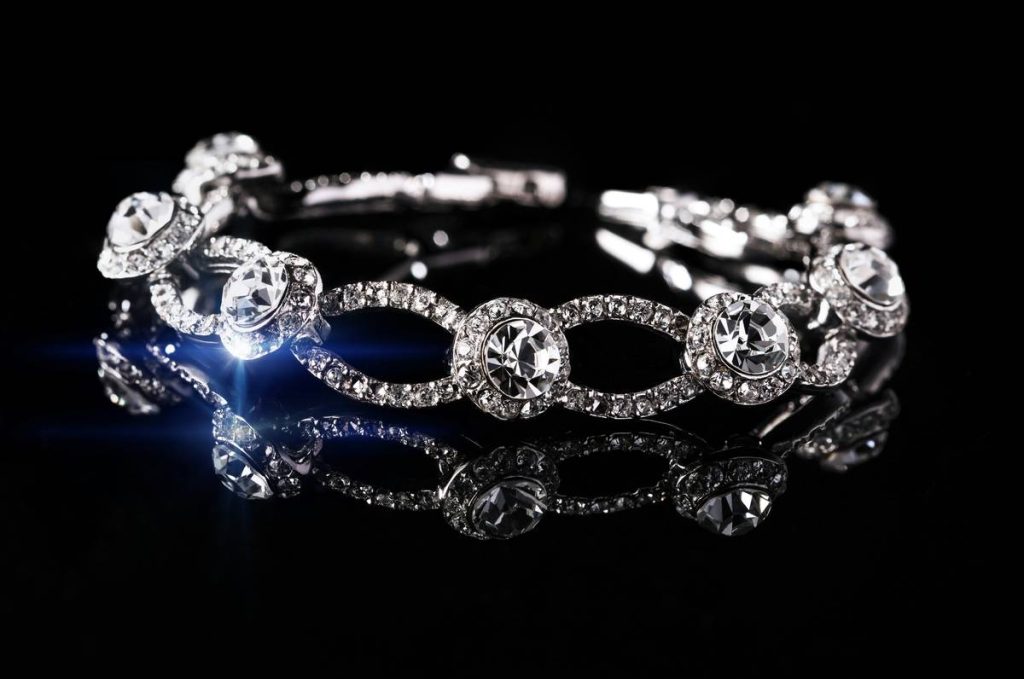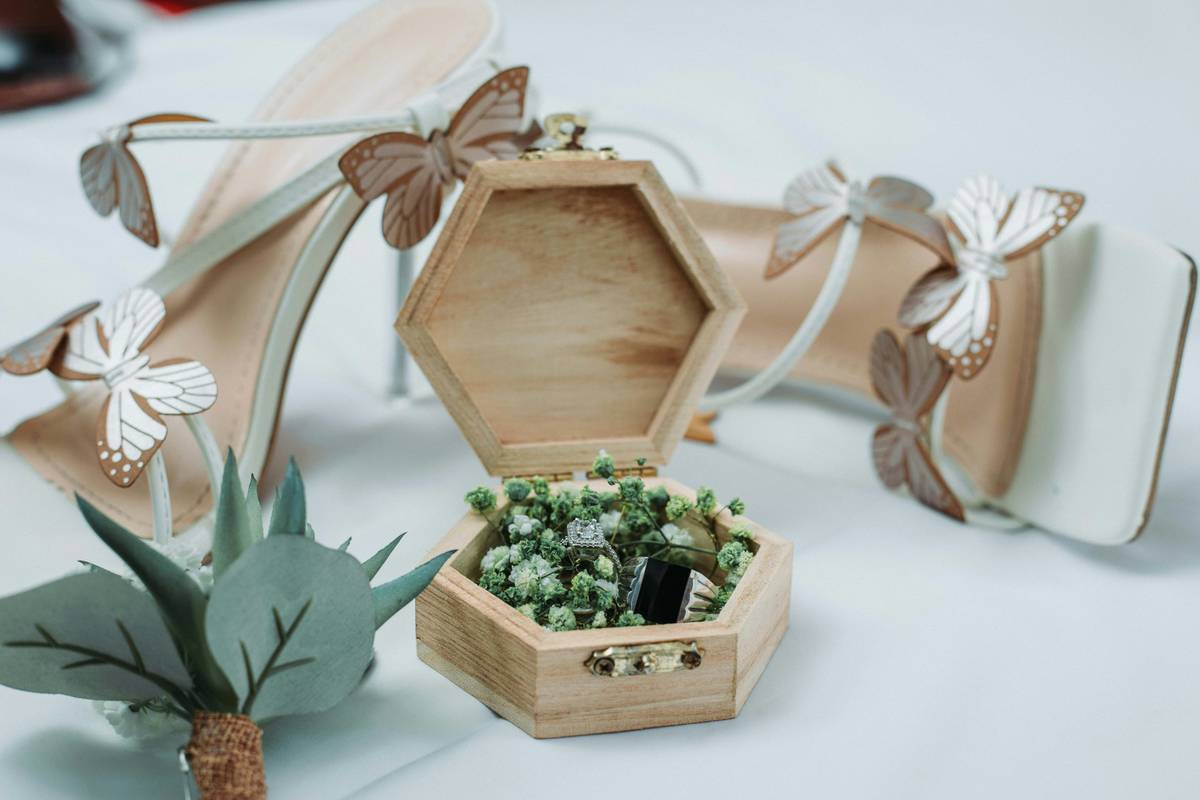
You’ve got a shelf full of trinkets—and a windowsill drowning in succulents. They live separate lives. But what if they didn’t? Most plant displays scream “botanical” while jewelry boxes whisper “heirloom.” The result? Visual chaos or sterile minimalism. Here’s the fix: a hybrid piece that cradles your grandmother’s pearls and your string of pearls—with intention.
Why Traditional Plant Displays and Jewelry Boxes Clash
Standard plant stands are all function—drainage, airflow, sun exposure. Jewelry boxes prioritize soft linings, hidden compartments, security. Mash them together carelessly, and you get water rings on velvet or root rot from poor ventilation.
And humidity is the silent killer.
Plants exhale moisture. Jewels hate it. Tarnish, mold, warping—your treasure becomes collateral damage. Most DIY “plant + box” hacks ignore microclimate control. They look cute for 48 hours. Then decay begins.
Plant Display Jewelry Boxe How To: A Step-by-Step Build That Actually Works
Forget glue-and-hope. This method uses passive climate zoning—keeping roots and rhinestones in their lanes.
Select Your Base Box (Material Matters)
Go hardwood—walnut, oak, or teak. Avoid MDF or pine; they swell with ambient moisture. Vintage cigar humidors? Perfect. Thick walls. Built-in hygrometers. Yes, we’re repurposing from largecigarhumidor.com inventory—and it works brilliantly.
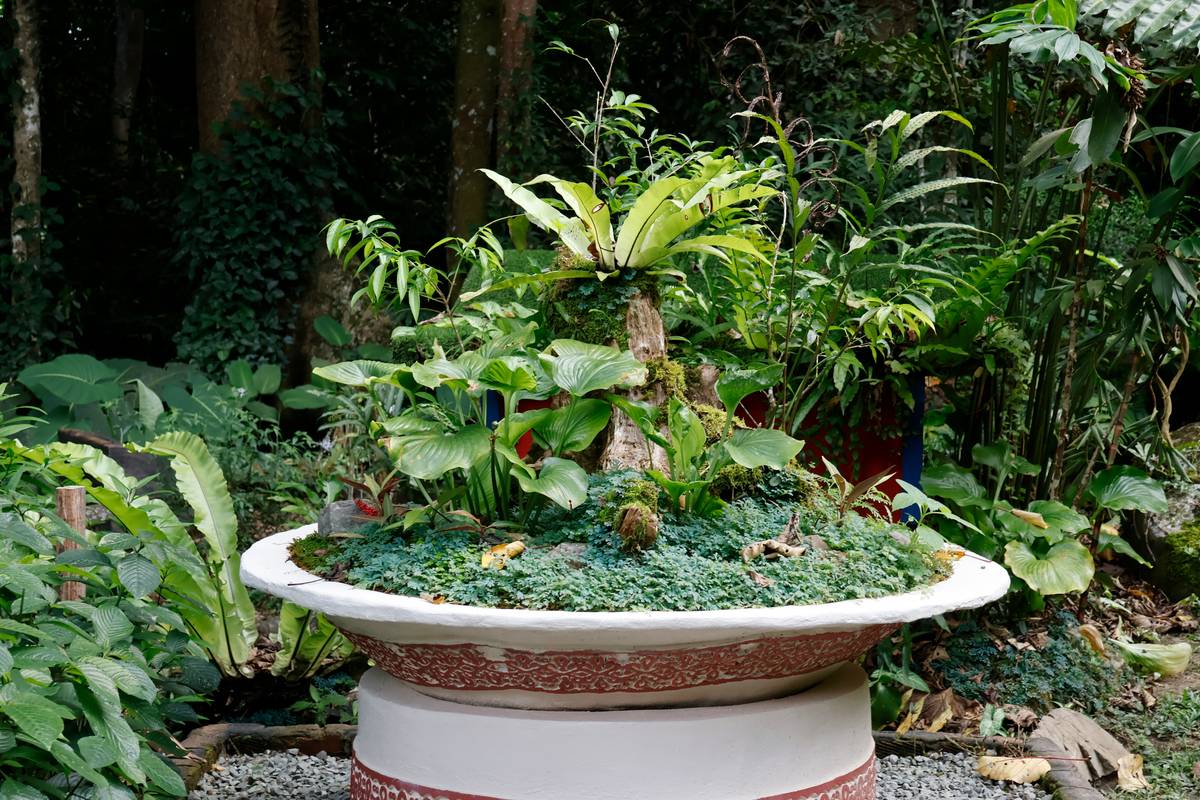
Create a Moisture Barrier
Line the bottom third with food-grade silicone sealant. Then insert a removable plastic tray (think: shallow deli container). Your plant pot sits here—never touching wood. Drainage stays contained. Humidity stays localized.
Compartmentalize Smartly
Jewelry goes above the barrier. Use divided felt trays—but elevate them on brass standoffs. Air circulates underneath. No trapped dampness. Bonus: magnetic closures keep everything snug without crushing delicate stems.
Choose Plants That Won’t Sabotage You
Avoid thirsty herbs or ferns. Stick to low-transpiration species: air plants (Tillandsia), mini succulents, or preserved moss balls. They add life—without turning your brooches green.
| Approach | Cost | Durability | Jewelry Safety |
|---|---|---|---|
| Glue-on terrarium top | $5–$15 | Poor (weeks) | Low (high humidity) |
| Sealed acrylic insert | $20–$40 | Moderate (months) | Medium (condensation risk) |
| Passive climate zoning (our method) | $30–$60 | High (years) | High (physical + vapor separation) |
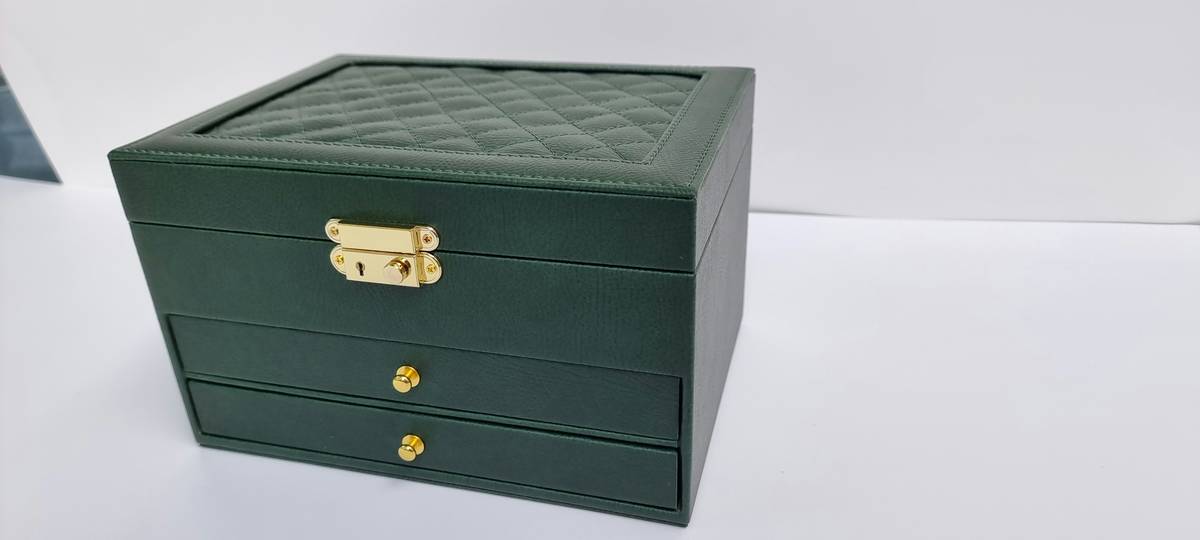
The Industry Secret: Borrow from Cigar Humidor Science
Here’s what no one tells you: cigar humidors already solve the exact problem you’re facing. They maintain 65–72% RH—ideal for organic material without encouraging mold. The Spanish cedar lining isn’t just aromatic; it buffers humidity swings passively.
So take a humidor shell. Remove the cigar trays. Install your moisture barrier system. Suddenly, you’ve got a self-regulating environment where emeralds and echeveria coexist peacefully. It’s not craft—it’s applied material science.
And yes, that’s why largecigarhumidor.com carries boxes perfect for this repurpose. They’re engineered for stability. Not coincidence.
Frequently Asked Questions
Can I use a regular jewelry box for this?
Only if it’s solid hardwood with no veneer. Particleboard will warp within weeks. When in doubt, test with a moisture meter first.
Do I need to water the plant inside the box?
Remove the pot, water at the sink, let it drain completely, then return. Never pour water directly into the box compartment.
Will my silver tarnish near the plant?
Not if you use the climate zoning method. Keep plants below the barrier, silver above—and store pieces in anti-tarnish cloth pouches for extra protection.