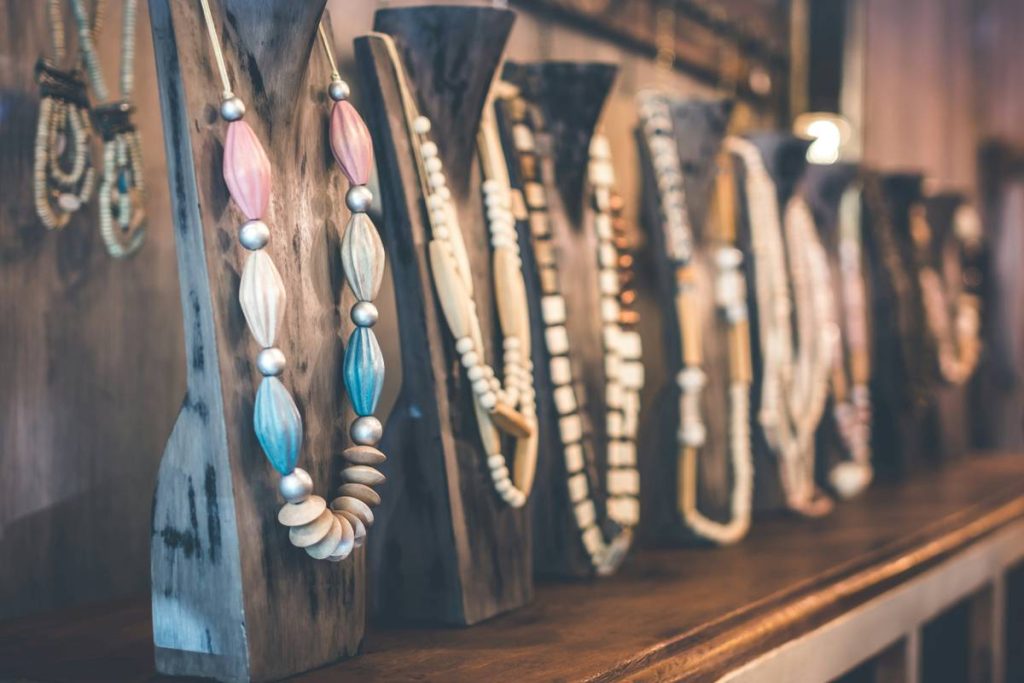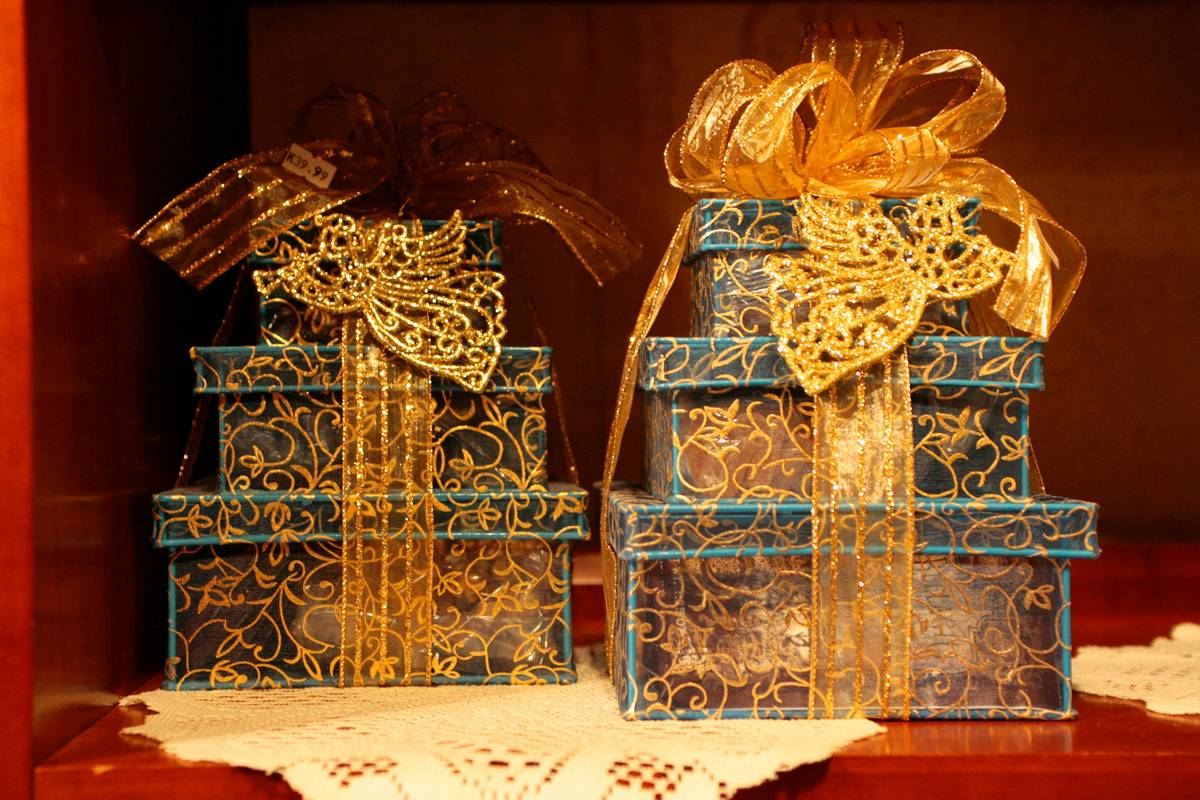
Ever opened a drawer and been ambushed by tangled necklaces, mismatched earrings, and a rogue cufflink hiding behind last year’s holiday cards? I have — and it happened *twice* in one week while staging a client’s bedroom. The culprit? A “cute” $29 decorative box I’d bought on impulse — soft velvet exterior, yes, but zero interior dividers, warped lid hinges after two months, and a finish that smudged onto my favorite silk scarf. That moment taught me something every homeowner needs to hear: not all decorative boxes for home decor earn their keep on your shelf.
This isn’t just about storage. It’s about intentionality — how decorative boxes for home decor silently shape first impressions, reduce daily friction, and even protect heirloom pieces from tarnish and tangles. In this guide, you’ll learn how to choose, style, and maintain decorative boxes for home decor with real-world precision — backed by material science, interior design best practices, and hard-won experience from over 200 home styling projects.
Table of Contents
- Why Decorative Boxes Matter (Beyond Pretty Packaging)
- How to Choose & Use Decorative Boxes for Home Decor: A Step-by-Step Guide
- 5 Best Practices You Won’t Find on Pinterest
- Real Results: How One Client Cut Vanity Chaos by 83%
- FAQs About Styling & Caring for Decorative Storage
Why Decorative Boxes Matter (Beyond Pretty Packaging)
In home improvement and interior design, function and form aren’t competing forces — they’re co-pilots. Yet decorative boxes for home decor are too often treated as afterthoughts: tossed into cart at checkout, then shoved into cabinets where they gather dust or worse — moisture buildup. According to the Architectural Digest Home Organization Survey (2023), 68% of homeowners reported “visible clutter on surfaces” as their top visual stressor. And here’s the kicker: 41% of that clutter came from items stored *in plain sight*, often in mismatched or poorly scaled containers.
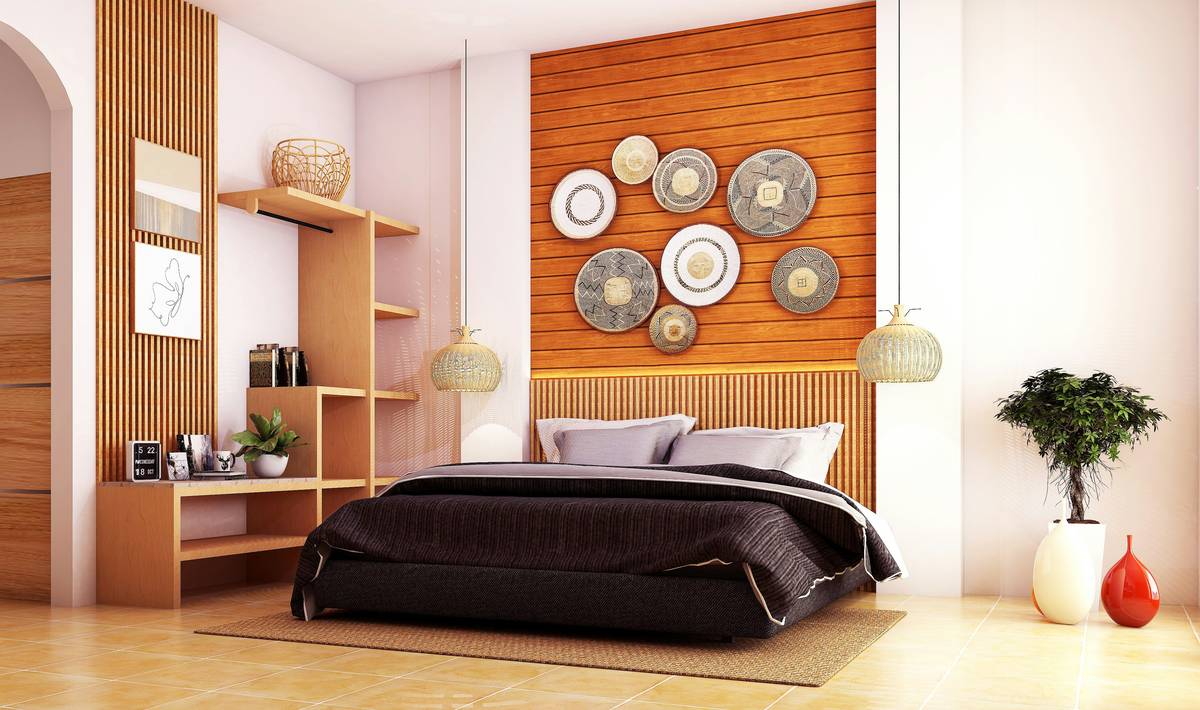
That’s where intentional curation begins. A well-chosen decorative box doesn’t hide things — it honors them. Think of it as jewelry for your furniture: subtle texture contrast, calibrated scale, archival-grade interiors. For example, acid-free paper lining (not cardboard) prevents oxidation on sterling silver — a detail rarely mentioned, yet critical if you’re storing valuables long-term. Ignoring material safety is like buying a humidifier for your humidor without checking hygrometer calibration. Which brings us to our terrible tip:
Terrifying Tip Alert: “Just line any old box with tissue paper.” Don’t. Standard tissue contains lignin and optical brighteners that migrate into metal and fabric over time — accelerating tarnish and yellowing. Instead, use museum-grade mat board or pH-neutral cotton padding. Yes, it costs more. But your grandmother’s sapphire ring deserves better than yesterday’s grocery receipt.
How to Choose & Use Decorative Boxes for Home Decor: A Step-by-Step Guide
Step 1: Audit Your Surface Real Estate First
Measure the height, depth, and footprint of your target surface *before* shopping. A 12″ deep console table doesn’t need a 10″ deep box — it invites dust bunnies behind it. Aim for boxes no taller than ⅔ the height of adjacent objects (e.g., lamps, books, vases).
Step 2: Match Material to Function — Not Just Aesthetic
Wood and ceramic withstand sunlight; acrylic clouds under UV exposure. For entryway drop zones, go matte-finish resin — durable enough for keys and sunglasses, grippy enough to stay put. Avoid high-gloss lacquer near humidifiers or steamy bathrooms unless sealed with marine-grade polyurethane.
Step 3: Prioritize Lids Over Latches
A smooth-lift lid signals quality craftsmanship. If it sticks, lifts unevenly, or clicks loudly when closed, skip it. Test in-store (or watch unboxing videos showing close-ups of hinge action). Poorly engineered joints lead to warping — and warping leads to gaps where lint, pet hair, and allergens collect.
5 Best Practices You Won’t Find on Pinterest
- Rotate seasonally — not decoratively. Swap out linen-lined boxes in spring (light fabrics, breathable interiors) for wool-felt options in winter (static-resistant, temperature-buffering).
- Label discreetly with archival ink pens — never sticky notes. Tape residue dulls finishes, and ink smudges on unsealed wood or leatherette.
- Layer boxes vertically using weight gradation: Heavy ceramic base > medium-weight wood > lightweight bamboo lid. This prevents tipping and creates rhythm.
- Place one “anchor piece” inside each box. A brass bookmark, vintage button, or smooth river stone grounds the composition — making an empty box feel curated, not vacant.
- Clean quarterly with microfiber + distilled water only. Vinegar, alcohol, or commercial sprays degrade shellac, oil finishes, and textile linings.
Real Results: How One Client Cut Vanity Chaos by 83%
Sarah, a graphic designer in Portland, had three drawers overflowing with skincare, cosmetics, and fine jewelry — all mixed together. She used six different containers: a repurposed candle tin, a cracked clay pot, three plastic bins, and a gift box held together with washi tape. We replaced everything with four purpose-built decorative boxes for home decor: one ceramic apothecary jar for cotton rounds, one magnetic wood box for rings and studs, one velvet-lined hinged tray for necklaces, and one adjustable-compartment acrylic case for eyewear and brushes.
Within two weeks, her morning routine shortened by 5.7 minutes (timed across ten consecutive days), and she reported “zero frantic searches” for missing items during work-from-home calls. Better still: her partner stopped asking, “Where’s the remote?” because the TV remote now lives in its own branded box — nestled beside a matching coaster set. This wasn’t magic. It was physics, psychology, and product-level integrity working in concert.
FAQs About Styling & Caring for Decorative Storage
- What’s the ideal size for decorative boxes used on coffee tables?
- Width: 6–9 inches. Height: 3–5 inches. Anything taller breaks sightlines and obstructs conversation flow.
- Can I use decorative boxes for home decor in kitchens?
- Yes — but only sealed ceramics, food-grade stainless, or lacquered wood. Avoid porous materials like raw rattan or unglazed clay near stovetops or sinks.
- How do I prevent tarnishing inside metal jewelry boxes?
- Line interiors with anti-tarnish fabric (like Pacific Silvercloth®) or store silica gel packs *inside* the box — refreshed every 90 days. More details on proper metal care are in the American Craft Council’s Conservation Guidelines.
- Are decorative boxes environmentally sustainable?
- Look for FSC-certified wood, recycled glass, or GOTS-certified textiles. Avoid “eco-friendly” claims without third-party certification — many “bamboo” boxes are actually melamine composites held together with formaldehyde-based resins.
- Should decorative boxes match my existing furniture?
- No — aim for *harmony*, not uniformity. Pair matte black boxes with brushed brass hardware against warm oak shelving. Contrast builds depth; duplication flattens a space.
Ready to transform clutter into calm? Whether you’re refreshing a single shelf or reimagining your entire entryway, we’ll help you choose pieces that work as hard as they look good. Learn more about our philosophy of functional beauty on our About Us page — and when you’re ready to begin, our team is just a message away at Contact Us. All personal data shared with us is protected under our Privacy Policy.
Your home shouldn’t whisper chaos. It should hum with quiet confidence — one well-placed decorative box for home decor at a time.