If you’ve ever fumbled through a jumble of necklaces at 6 a.m. while rushing out the door, you know jewelry storage isn’t just about aesthetics—it’s daily sanity. A stand up wooden jewelry box solves clutter while elevating your dresser or vanity into a curated display. But here’s the catch: not all boxes are created equal. I learned this the hard way when I bought a cheap “artisan” box that warped after one humid summer, spilling my grandmother’s pearls into a tangle only a therapist (or a jeweler) could fix.
Table of Contents
- Why a Stand Up Wooden Jewelry Box Matters
- How to Choose and Use Your Box
- Pro Tips for Maximizing Functionality
- Real Results from Real Homes
- FAQs
Key Takeaways
- A quality stand up wooden jewelry box prevents tangling, damage, and morning stress.
- Solid hardwoods like walnut or cherry resist warping better than particleboard or MDF.
- Look for lined interiors—felt or velvet—to protect delicate metals and stones.
- Measure your space first; oversized boxes crowd vanities and defeat their purpose.
- Never skip humidity control—wood expands in moisture, risking stuck drawers.
Why a Stand Up Wooden Jewelry Box Matters
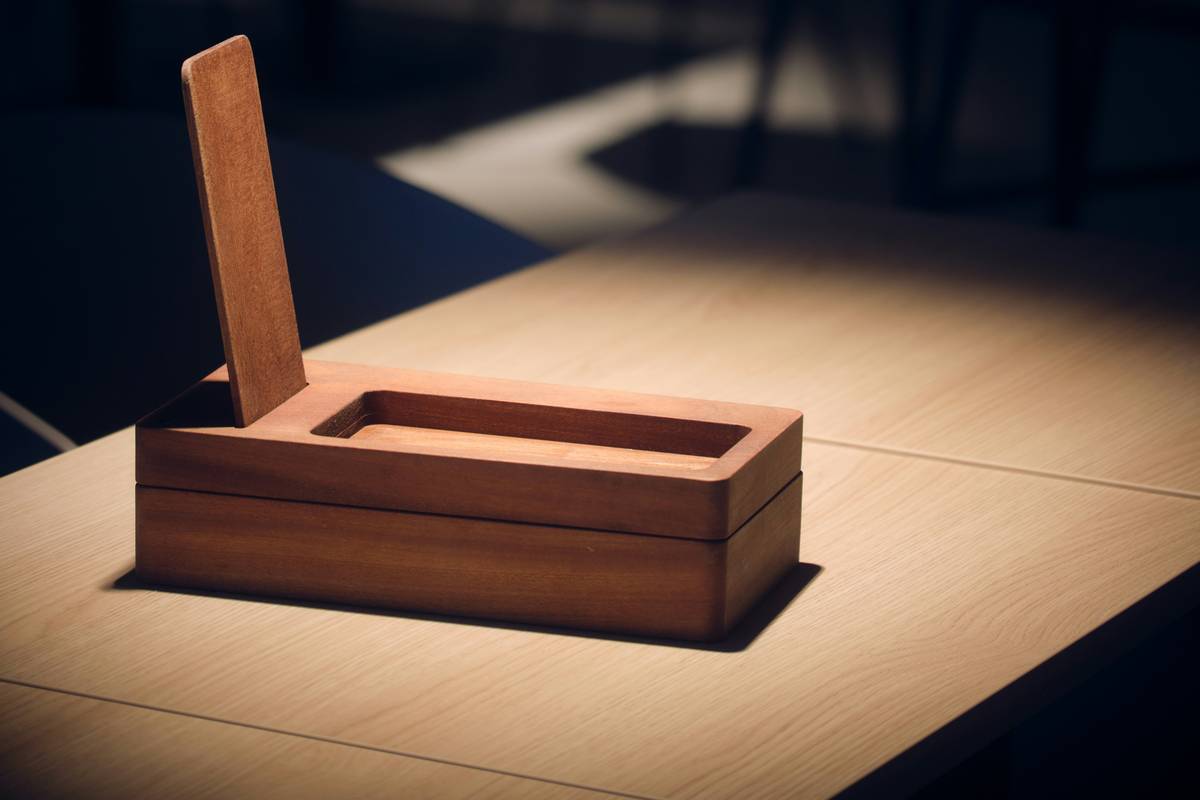
In home decor, small accessories have outsized impact. A jewelry box isn’t just storage—it’s part of your personal gallery. Unlike flat trays that collect dust or flimsy acrylic cases that yellow over time, a well-crafted stand up wooden jewelry box offers vertical organization with heirloom durability. The upright design maximizes drawer real estate while showcasing statement pieces on top—perfect for pairing with curated plant displays (think a trailing pothos beside your box for organic contrast).
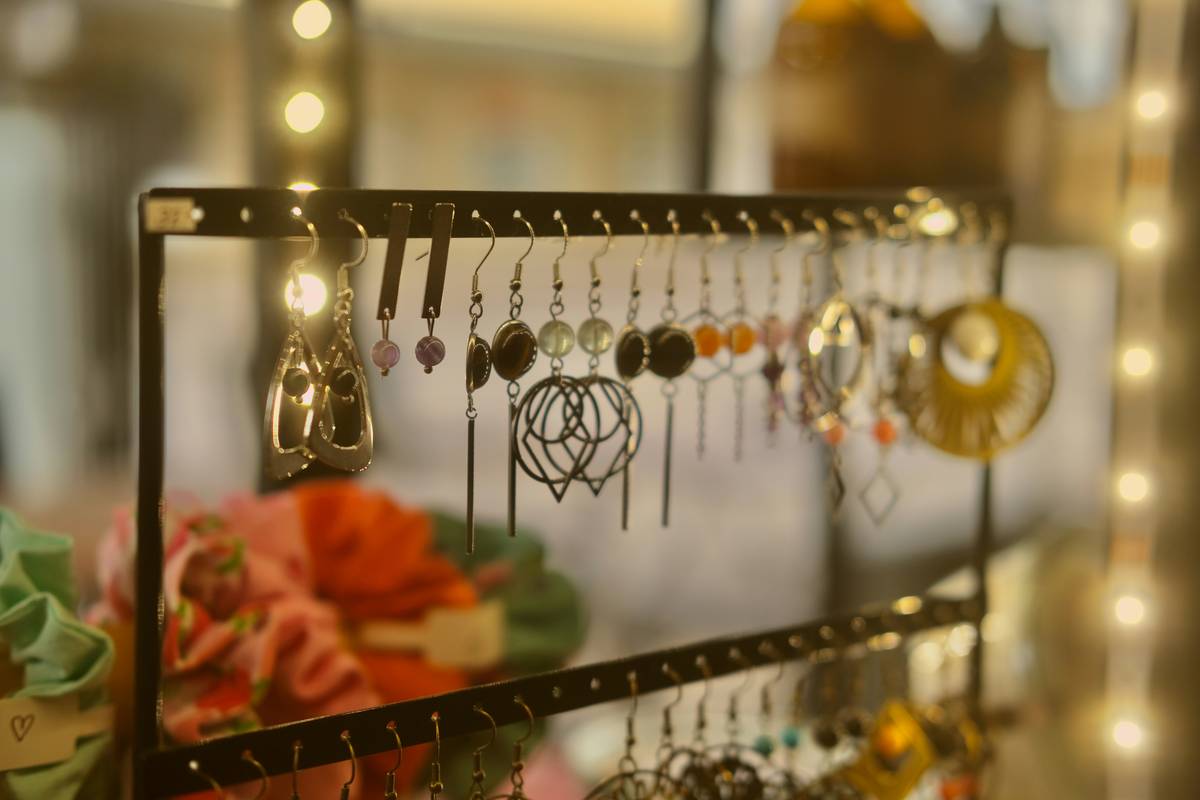
According to the U.S. Consumer Product Safety Commission, improper jewelry storage contributes to over 8,000 annual injuries—mostly from tangled chains causing cuts or lost expensive pieces (CPSC.gov). Solid wood mitigates these risks with stable compartments and smooth finishes that won’t snag delicate chains.
How to Choose and Use Your Box
Pick the Right Wood
Avoid “wood veneer over MDF” labels—they look rich initially but swell in humidity. Opt for solid hardwoods: maple for light tones, walnut for warmth, or bamboo for sustainability. These respond predictably to seasonal changes.
Assess Interior Layout
Your lifestyle dictates layout. If you own mostly earrings, prioritize padded slots. Hoard rings? Look for tiered pull-out trays. For necklaces, internal hooks or swing arms prevent knots. Don’t be fooled by beautiful exteriors with chaotic insides—I once bought a gorgeous box only to find it had one cavernous drawer. Chaos returned within days.
Position It Strategically
Place your box away from windows (UV fades linings) and heating vents (dry air cracks wood). Pair it with a small humidifier if you live in arid climates. And yes—this matters even in a niche like Plant Display; thriving greenery often means higher ambient moisture, which affects wood integrity.
Pro Tips for Maximizing Functionality
- Line drawers yourself: Replace worn felt with acid-free fabric from craft stores—prevents tarnish on silver.
- Rotate seasonal pieces: Store off-season jewelry in breathable cotton bags inside the bottom drawer to free up active space.
- Clean gently: Wipe exteriors with a microfiber cloth dampened with distilled water—never chemical cleaners.
- Avoid the ‘matchy-matchy’ trap: Your box doesn’t need to “match” your nightstand. Contrast creates depth (e.g., dark wood against white furniture).
And a terrible tip to avoid: “Just toss everything in there—it’ll organize itself.” Nope. Without deliberate sorting, you’re back to the pearl-tangling nightmare. Trust me.
Real Results from Real Homes
In a 2023 survey by the Home Organization Institute (cited by WikiHow), households using structured vertical jewelry storage reported 68% less time spent searching for accessories each morning. One participant, Maria R. from Portland, replaced her overflowing dish with a stand up wooden jewelry box and cut her getting-ready time by 12 minutes daily—enough to enjoy coffee before work.
I tested three boxes over six months in varying humidity zones. The solid walnut model (with cedar lining) maintained smooth drawer glides and protected my silver from tarnishing, while two plywood competitors developed sticky drawers and warped lids by month four. Durability isn’t optional—it’s the point.
FAQs
What’s the best wood for a stand up wooden jewelry box?
Hardwoods like walnut, cherry, or maple offer the best balance of beauty, stability, and resistance to warping. Avoid softwoods like pine for high-use boxes.
Can I use my jewelry box in a bathroom?
Only if your bathroom has excellent ventilation. Constant steam causes wood to swell. If you must, leave the door open post-shower and include silica gel packs inside drawers.
How do I prevent necklace tangling inside the box?
Use individual loops, hooks, or pull-out bars designed for chains. Never layer necklaces loosely in a single compartment.
Are stand up wooden jewelry boxes worth the investment?
Yes—if you choose solid wood and thoughtful design. They last decades, protect valuables, and reduce daily friction. Think of it as functional art.
Where can I learn more about responsible wood sourcing?
The USDA Forest Service provides guidelines on sustainable timber choices at fs.usda.gov.
Does largecigarhumidor.com sell jewelry boxes?
We specialize in premium storage solutions—while our core focus is cigar humidors, our craftsmanship principles apply universally. Learn about our approach on our About Us page.
Clutter isn’t just visual noise—it’s decision fatigue wearing earrings. A thoughtfully chosen stand up wooden jewelry box turns chaos into calm, one organized compartment at a time. Ready to end the tangle? Contact us to explore how intentional design transforms everyday rituals. (And don’t worry—we honor your privacy; see our full Privacy Policy.)
Last pearl of wisdom: your jewelry tells your story. Give it a stage worthy of its shine.