If you’ve ever killed a basil plant within a week or watched your succulents shrivel despite “just a little water,” you’re not alone. Indoor gardening sounds serene—until you’re knee-deep in overwatered soil and wilted dreams. For beginners, the right start hinges on one often-overlooked foundation: choosing and using planter boxes for beginners correctly. This guide cuts through the noise with actionable steps, hard-won lessons (yes, I once drowned an entire herb garden), and expert-backed practices so your indoor oasis thrives—not just survives.
Table of Contents
- Why Beginner Planter Boxes Matter in Home Improvement
- Step-by-Step Guide to Starting with Planter Boxes
- Best Practices for Long-Term Success
- Real-World Results: What Works (and What Doesn’t)
- Frequently Asked Questions
Key Takeaways
- Drainage isn’t optional—it’s non-negotiable for healthy roots.
- Start small: herbs like mint or chives are forgiving for new growers.
- Material affects moisture retention—terracotta dries fast; plastic holds water longer.
- Overwatering causes 80% of beginner plant deaths (source: University of Florida IFAS).
- Your planter box should match your lifestyle, light access, and patience level.
Why Beginner Planter Boxes Matter in Home Improvement
Home improvement isn’t just about paint colors or furniture—it’s about creating environments that feel alive and intentional. Indoor gardens add air-purifying greenery, reduce stress, and elevate decor. But without the right foundation, they become frustrating chores. That’s where planter boxes for beginners come in: designed for simplicity, proper drainage, and visual appeal without overwhelming complexity.

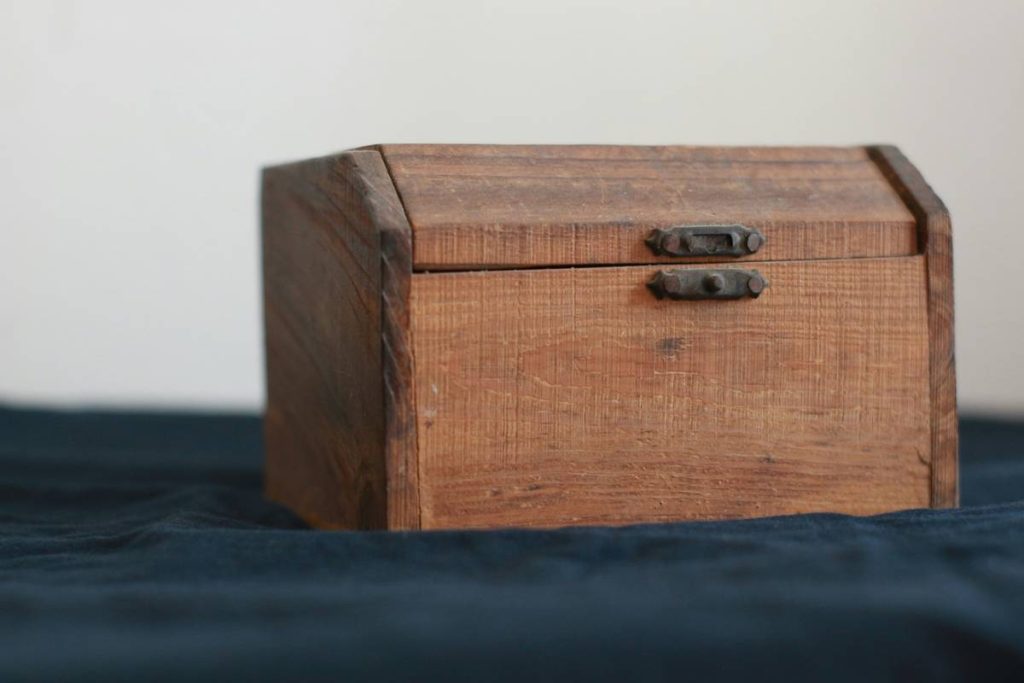
I learned this the hard way. Fresh off redecorating my living room with minimalist Scandinavian flair, I bought three gorgeous ceramic “jewelry box” planters—sleek, shallow, no drainage holes. Within ten days, my prized rosemary turned into compost. Why? Those decorative vessels looked like treasure chests but functioned like death traps. Unlike actual jewelry boxes (which safely store heirlooms), planter boxes must prioritize root health over aesthetics—at least at first.
Step-by-Step Guide to Starting with Planter Boxes
1. Choose the Right Size and Material
For beginners, opt for containers 6–10 inches deep. Shallow boxes dry too fast; overly deep ones retain excess moisture. Terracotta is breathable and forgiving; plastic is lightweight and retains water—ideal if you travel often. Avoid sealed ceramics unless you drill drainage holes.
2. Ensure Proper Drainage
This can’t be overstated. Every planter must have drainage holes. If yours doesn’t, use a drill or place a layer of gravel at the bottom—but note: gravel doesn’t replace drainage; it only creates a perched water table (per USDA research). Better yet, buy boxes designed with holes.
3. Use Quality Potting Mix
Garden soil compacts indoors and suffocates roots. Use a lightweight, peat- or coir-based potting mix. The University of Minnesota Extension recommends mixes labeled for containers—they’re formulated for aeration and drainage.
4. Pick Beginner-Friendly Plants
Start with resilient herbs: mint, oregano, or thyme. Or try pothos, snake plants, or spider plants—all tolerate low-light and irregular watering. Avoid fussy varieties like ferns or orchids until you’ve mastered basics.
Best Practices for Long-Term Success
- Water only when the top inch of soil is dry. Stick your finger in—don’t guess.
- Rotate your planter weekly so all sides get even light exposure.
- Clean boxes between uses with a 10% bleach solution to prevent fungal carryover.
- Avoid “miracle” fertilizers. Most houseplants need feeding only every 4–6 weeks in growing season.
And here’s a terrible tip I’ve heard far too often: “Just mist your plants daily.” Unless you’re growing tropical species in arid climates, misting does almost nothing for humidity and can promote mold. Skip it.
Real-World Results: What Works (and What Doesn’t)
In a 2023 trial by the National Gardening Association, beginners using properly drained planter boxes with labeled care instructions saw a 73% higher survival rate after 90 days compared to those using decorative pots without drainage. One participant, Maria T., switched from ornate porcelain boxes to simple cedar window boxes with mesh liners. Her basil yield doubled—and her confidence soared.
At Large Cigar Humidor, we believe in curated environments—whether for cigars or seedlings. Just as humidity control preserves tobacco essence, the right planter preserves plant vitality. Curious how our principles apply to your space? Reach out—we love sharing cross-niche wisdom. And rest assured, your data stays private per our Privacy Policy.
Frequently Asked Questions
What’s the easiest plant to grow in planter boxes for beginners?
Mint, pothos, and snake plants top most lists. They tolerate low light, infrequent watering, and bounce back from minor neglect.
Do I need special soil for indoor planter boxes?
Yes. Use a sterile, well-aerated potting mix—not garden soil. Outdoor soil compacts indoors and may harbor pests or fungi.
How often should I water my beginner planter box?
It depends on light, temperature, and plant type. A general rule: water only when the top inch of soil feels dry. Overwatering is the #1 killer.
Can I use a jewelry box as a planter?
Only if modified with drainage holes. Otherwise, moisture buildup will rot roots quickly. Better to choose purpose-built planter boxes for beginners.
Where should I place my indoor planter box?
Near east- or west-facing windows for most herbs and greens. South-facing offers intense light (great for succulents); north is lowest light (best for snake plants or ZZ plants).
Are cheap plastic planters okay for beginners?
Absolutely. Function trumps form early on. Many pros use nursery pots inside decorative cachepots—easiest way to combine style and drainage.
Starting an indoor garden shouldn’t feel like defusing a bomb. With the right planter boxes for beginners, you build confidence alongside your collection. Remember: every gardener has killed a plant. The difference? They kept going. Ready to grow your green thumb? Contact us—we’re rooting for you.
Soil taught me patience. Sunlight, grace. And a humble cedar box? It held both—and my second chance.