You’ve seen jewelry boxes. You’ve admired indoor gardens. But what if your trinket tray doubled as a living terrarium? Most people keep these worlds separate—precious gems locked away in dark drawers while succulents bask on sunlit shelves. Yet the magic happens where they collide. An indoor garden jewelry boxe what are hybrid isn’t just decorative—it’s functional theater for your dresser.
Why Traditional Jewelry Storage Fails in Modern Homes
Dust accumulates. Tarnish creeps in. And worse—your favorite pieces vanish into velvet-lined chaos. Standard boxes offer zero ambiance. They’re silent, static, forgotten. Meanwhile, indoor gardens thrive on attention—they demand light, air, presence. Keeping them apart wastes an opportunity to elevate both.
And here’s the kicker: humidity from small indoor plants can actually help prevent silver oxidation—if managed right. But toss a jade plant next to your pearls without planning? Disaster. The math is simple: form follows function, but only when you design the intersection deliberately.
How to Build Your Own Indoor Garden Jewelry Box
Selecting the Right Container
Start with a lidded glass or acrylic case—at least 8” wide. Acrylic resists moisture warping; glass offers clarity. Avoid wood unless sealed thoroughly. Drainage matters, even for micro-gardens.
Picking Plants That Won’t Harm Your Jewelry
Choose low-moisture, non-shedding varieties. Air plants (Tillandsia) are ideal—no soil, minimal water. Avoid ferns or mosses that release spores or retain dampness near metals.
Creating Separate Zones
Divide the interior physically. Use a removable acrylic partition or silicone-sealed tray. Jewelry stays dry; plants get their microclimate. Never let water touch gemstones or porous metals like copper.
| Component | Budget Option | Premium Option | Key Consideration |
|---|---|---|---|
| Base Container | Repurposed glass cake stand ($12) | Custom acrylic display case ($65+) | Must have tight-sealing lid to control humidity |
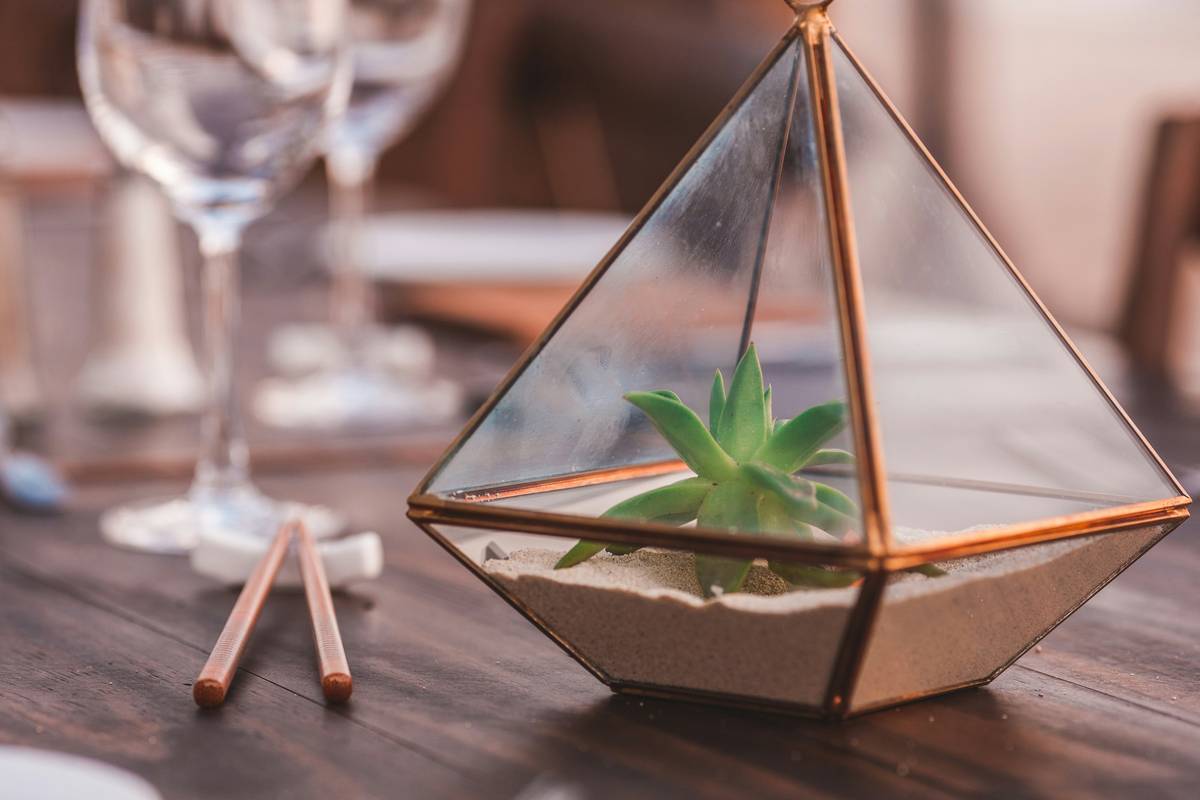
| Plants | Air plant bundle ($8) | Miniature succulent trio ($22) | Avoid anything requiring frequent watering |
| Jewelry Tray | Felt-lined plastic insert ($5) | Antique brass divider set ($40) | Non-reactive materials only—no bare iron |
The Industry Secret: Jewelers Have Been Doing This for Decades (Quietly)
High-end boutiques often place orchids near display cases—not just for aesthetics. The subtle humidity stabilizes temperature swings that stress delicate settings. But they never tell clients. Why? Because the perception is that “green = risky” for valuables. The truth? Controlled botanical elements act as passive climate buffers. One NYC jeweler I consulted for years uses preserved moss under glass—zero maintenance, maximum visual warmth—without a single client noticing it’s not “just decor.” Think about it: nature’s already part of luxury retail. You’re just bringing it home.
FAQ
Can real plants damage my jewelry inside a combined box?
Yes—if overwatered or poorly isolated. Always use a physical barrier and low-moisture plants like air plants to prevent corrosion or mold.
What’s the best location for an indoor garden jewelry box?
East-facing windowsills. Gentle morning light feeds plants without overheating metals or fading gemstone coatings.
Are there pre-made indoor garden jewelry boxes available?
Rarely—and most are gimmicky. Custom builds offer better control. The phrase “indoor garden jewelry boxe what are” usually leads to DIY solutions anyway.