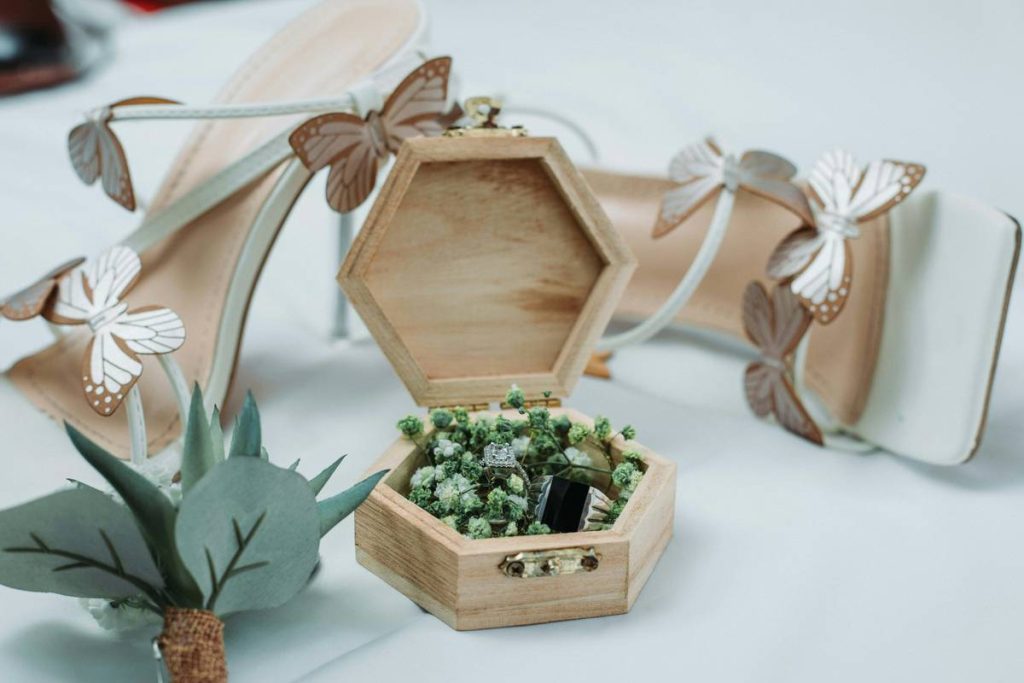
You bought that gorgeous jewelry box for your sister’s birthday. She loved it—then tucked it into a drawer. Forgotten. A few weeks later, you spot her struggling to find space for her new succulent collection on an overcrowded windowsill. Two beautiful objects—wasted potential. What if they weren’t separate? Enter the plant display jewelry boxe gift box: not just storage, but a living centerpiece.
Why Most “Dual-Purpose” Decor Pieces Fail Miserably
Most attempts to merge function with form collapse under basic physics. Wood warps near moisture. Delicate hinges corrode in humid microclimates. And let’s be honest—most jewelry boxes look like they belong in a Victorian attic, not beside your fiddle-leaf fig.
Manufacturers slap plants on top of trinket trays and call it innovation. But humidity from soil seeps downward. Metals tarnish. Linings mildew. The math is simple: bad design equals short lifespan. And nobody wants to explain why their “gift” now smells like wet cardboard.
How to Choose (or Build) a Plant Display Jewelry Boxe Gift Box That Lasts
Forget off-the-shelf compromises. The goal isn’t novelty—it’s harmony. Below is the framework I use when advising interior stylists and boutique gallerists.
Material Matters More Than Aesthetics
Go for sealed hardwoods like teak or walnut—never MDF. Line the jewelry compartment with anti-tarnish fabric, not velvet. And absolutely isolate the plant zone with a watertight barrier (silicone-sealed ceramic insert works best).
Scale Is Non-Negotiable
A tiny air plant on a massive chest looks absurd. A large monstera will drown everything beneath it. Ideal ratio: plant height should not exceed 1.5x the box’s height. Small succulents, tillandsia, or miniature ferns? Perfect.
Maintenance Must Be Effortless
If watering requires disassembly, it won’t happen. Look for removable plant pots or magnetic trays. Bonus: hidden drainage channels that route excess water into a concealed reservoir.
| Approach | Cost Range | Durability | Best For |
|---|---|---|---|
| Custom-Built Dual Compartment Box | $120–$300 | 8–10 years | Heirloom gifting, high-humidity homes |
| Modular DIY Kit (Wood + Insert) | $45–$90 | 4–6 years | Crafters, renters, seasonal decor |
| Repurposed Antique Box + Plant Stand Hack | $20–$60 | 2–3 years | Temporary setups, photo styling |

The Industry Secret: Humidity Control Is the Real Game-Changer
Here’s what no brand tells you: the jewelry compartment doesn’t need to be *dry*—it needs *stable* humidity. Fluctuations cause more damage than consistent moisture. Top-tier humidors (like those at largecigarhumidor.com) use Spanish cedar not for scent—but for natural hygroscopic regulation. You can borrow this principle.
Line your jewelry section with thin cedar veneer. It absorbs excess moisture when the plant is watered, then releases it slowly during dry spells. No electronics. No silica gel refills. Just passive, organic buffering. And yes—it works even with delicate silver chains and pearl rings.
Frequently Asked Questions
Can I really keep real plants on a jewelry box without ruining it?
Yes—if the design includes a sealed barrier between plant soil and wood. Use small, low-moisture plants like air plants or hens-and-chicks.
What’s the best type of jewelry to store in these hybrid boxes?
Opt for non-porous materials: gold, platinum, or coated metals. Avoid oxidizable items like copper or unsealed silver unless using cedar lining for humidity control.
Are plant display jewelry boxe gift box items available ready-made?
Few quality options exist retail. Most are either too decorative (and leak-prone) or lack proper isolation. Custom or DIY is strongly recommended.