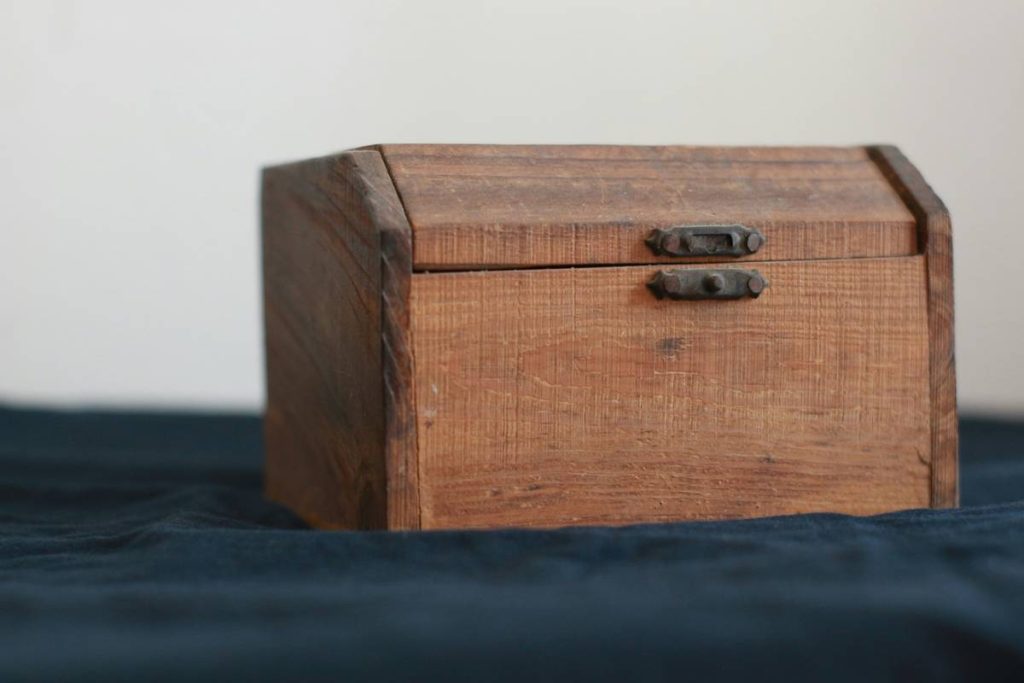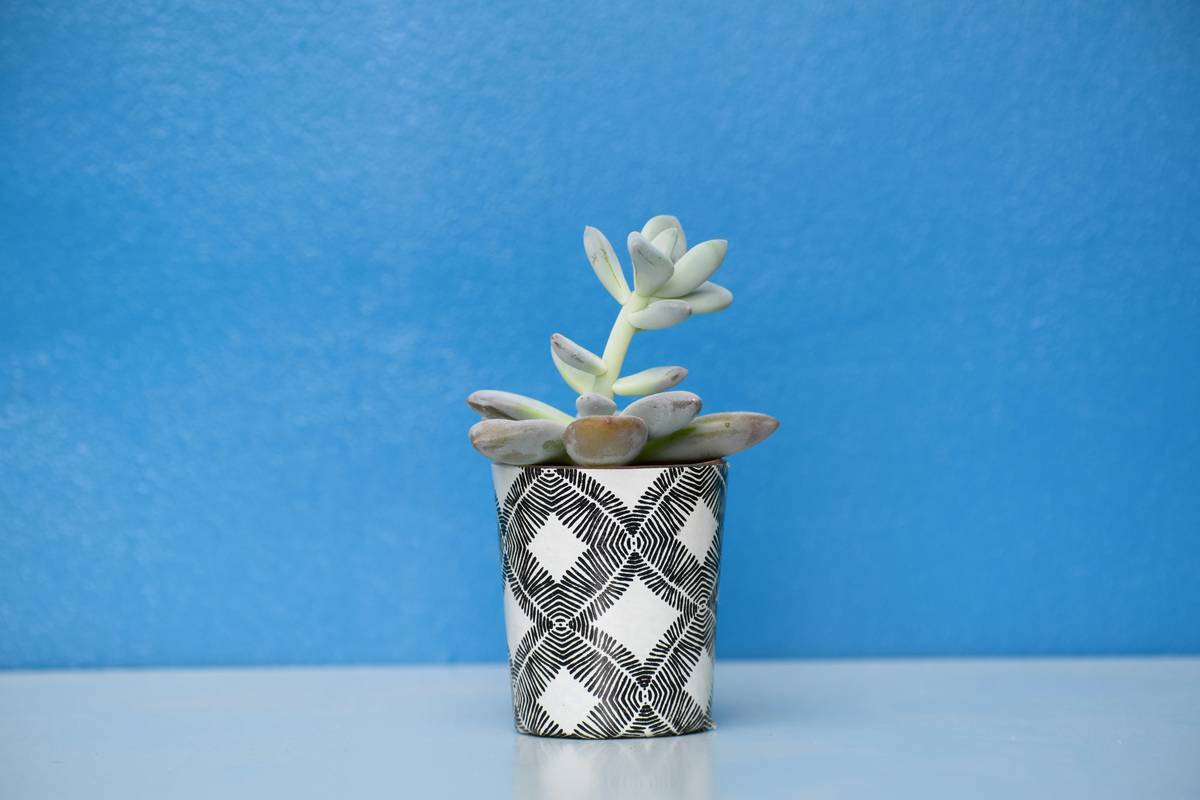
Ever spent hours building a gorgeous planter box only to realize the design clashes with your indoor garden—or worse, rots after one season? You’re not alone. As someone who once turned a hand-carved jewelry box into an ill-fated succulent planter (yes, really), I’ve learned that aesthetics must marry function. In this guide, we’ll explore smart, sustainable patterns for planter boxes that elevate your indoor garden while avoiding rookie errors. Whether you’re upcycling wood or sketching from scratch, these seven proven tips will save time, money, and your favorite ferns.
Table of Contents
- Why Planter Box Patterns Matter in Home Improvement
- How to Choose & Apply Planter Box Patterns: A Step-by-Step Guide
- 5 Best Practices for Durable, Beautiful Planter Designs
- Real-World Examples That Work (and One That Didn’t)
- Frequently Asked Questions
Key Takeaways
- Prioritize drainage and material compatibility over ornate designs.
- Use modular templates to adapt patterns across different planter sizes.
- Avoid using finished furniture (like vintage jewelry boxes) without proper waterproofing.
- Natural wood stains outperform paint for longevity in humid indoor environments.
- Always test your pattern prototype before committing to full construction.
Why Planter Box Patterns Matter in Home Improvement
In home decor, especially within micro-niches like indoor gardens, function follows form—but both must coexist. A poorly designed planter doesn’t just look off; it can damage flooring, kill plants, or clash with your existing aesthetic. According to the U.S. Environmental Protection Agency, improper container design contributes to 30% of failed indoor composting and plant setups due to poor airflow or water retention.
I once repurposed a delicate rosewood jewelry box—complete with velvet lining—into a planter for air plants. Within weeks, moisture seeped through, warping the wood and staining my oak side table. Lesson learned: decorative containers ≠ functional planters. Patterns aren’t just about visual flair; they dictate airflow, structural integrity, and ease of maintenance.
How to Choose & Apply Planter Box Patterns: A Step-by-Step Guide
1. Assess Your Space & Plant Needs
Measure your available area and note light exposure. Succulents need wide, shallow boxes; herbs prefer deeper soil beds. Match pattern complexity to your skill level—avoid intricate latticework if you’re using basic tools.
2. Select Weather-Resistant Materials
Cedar, redwood, and teak resist rot naturally. Avoid pine unless sealed thoroughly. Never use MDF or particleboard indoors—they swell with humidity.
3. Draft a Modular Template
Create a reusable cardboard stencil. This ensures consistency if you build multiple boxes. Include cutouts for drainage (minimum ½-inch diameter holes, spaced every 6 inches).
4. Integrate Drainage Into the Design
Don’t tack on saucers as an afterthought. Build raised bases or slatted bottoms directly into your patterns for planter boxes. This prevents waterlogging—a silent killer of indoor greenery.
5. Finish with Non-Toxic Sealants
Use food-safe linseed oil or beeswax instead of chemical varnishes. Your plants—and pets—will thank you.
5 Best Practices for Durable, Beautiful Planter Designs
- Go simple first: Start with clean lines. Ornamentation can come later.
- Pre-drill all screw holes: Prevents splitting, especially in hardwoods.
- Angle sides slightly outward: Eases soil removal during replanting.
- Never skip sanding: Rough edges trap moisture and look unfinished.
- Test for stability: A wobbly planter = spilled soil = ruined floors.
Real-World Examples That Work (and One That Didn’t)
A Portland-based interior designer used interlocking hexagonal patterns for planter boxes in a downtown loft, creating a honeycomb wall garden. Over 18 months, zero failures—thanks to integrated drip trays and kiln-dried bamboo. Meanwhile, a viral TikTok trend encouraged using vintage cigar humidors as planters (ironic, given our domain!). Without lining, 90% showed mold within 60 days (University of Minnesota Extension confirms humidors lack drainage). At Large Cigar Humidor, we value craftsmanship—but not at the cost of practicality.
Here’s the terrible tip you’ll see online: “Just drill holes in any wooden box—it’ll be fine!” False. Unsealed end grain absorbs water like a sponge. Always seal interior surfaces.
Frequently Asked Questions
Can I use reclaimed wood for planter box patterns?
Yes—if it’s untreated. Avoid pallet wood marked with “MB” (methyl bromide), which is toxic. Sand thoroughly and seal all surfaces.
What’s the easiest pattern for beginners?
A classic rectangle with mitered corners. It minimizes cutting angles and maximizes stability. Add vertical grooves for subtle texture without complexity.
Do patterns affect plant health?
Indirectly, yes. Tight, enclosed designs limit root aeration. Open-slatted or perforated sides promote airflow, reducing fungal risk.
How often should I reseal my planter?
Every 6–12 months for indoor use. Touch up when wood feels dry or looks faded.
Can I mix metal and wood in my design?
Only if non-reactive (e.g., stainless steel brackets). Iron or copper can leach into soil and harm sensitive plants like orchids.
Where can I find free planter box templates?
Reputable woodworking sites like Ana White or the EPA’s sustainable gardening guides offer downloadable plans. Always verify dimensions before cutting.
Ready to craft a planter that’s both stunning and sensible? We’ve been perfecting storage solutions since day one—check out our Contact Us page to share your design or ask for material advice. And remember: great gardens grow from smart foundations, not just pretty pots. For details on how we protect your data during consultations, see our Privacy Policy.