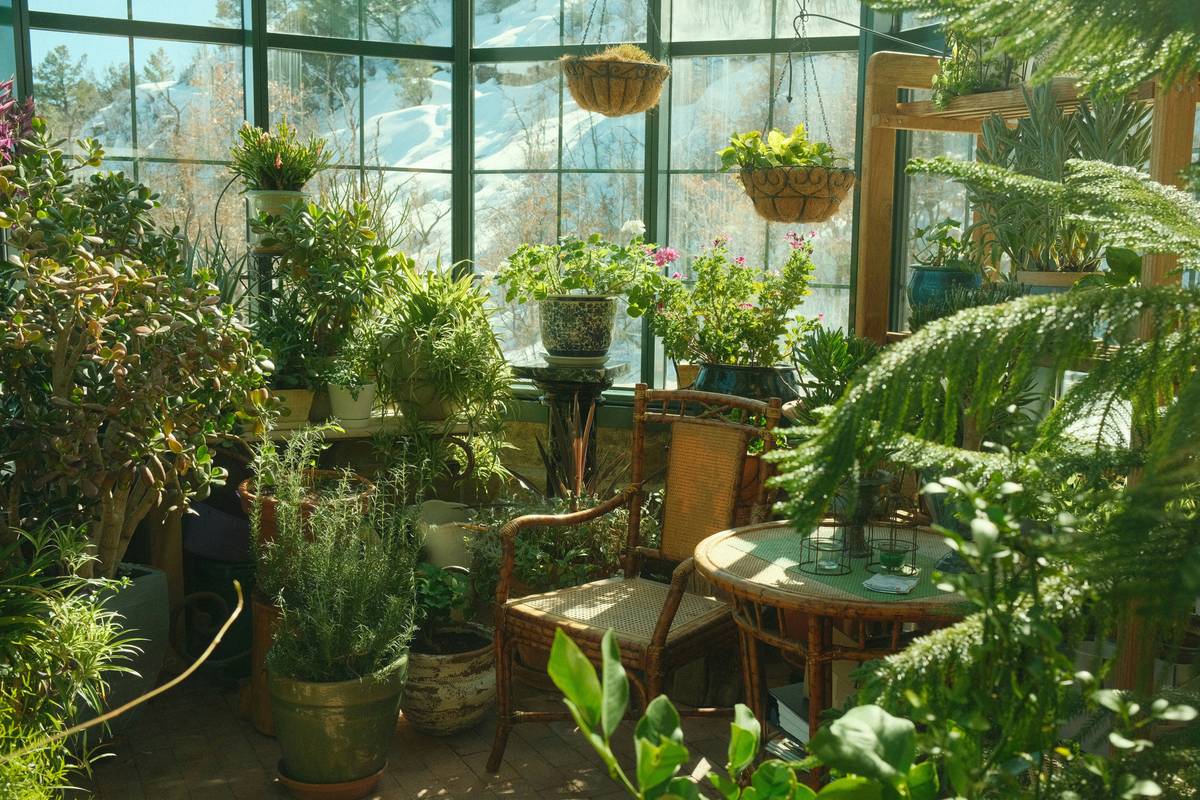
You’ve got a sun-drenched windowsill, a thriving basil plant, and zero clue where to stash your favorite earrings. The clash between organic greenery and delicate trinkets feels messy—like trying to merge a greenhouse with a vanity. But what if your indoor garden *was* the jewelry box? Here’s how to fuse function, foliage, and fashion without sacrificing style or sanity.
Why Your Jewelry Keeps Getting Lost in the Greenery
Most people shove rings into drawers near their herb gardens or drape necklaces over succulent pots. It seems convenient—until humidity warps wood, soil dust coats pearls, and you’re digging through thyme sprigs for your wedding band. Indoor plants create microclimates: higher moisture, fluctuating temps, organic debris. Delicate metals tarnish. Gemstones dull. And velvet-lined boxes? They mildew faster than you can say “overwatered.”
Standard storage ignores this reality. You wouldn’t store cigars next to a humidifier—so why treat heirloom jewelry any differently?
indoor garden jewelry boxe how to: A 4-Step Fusion Plan
The goal isn’t just coexistence—it’s synergy. Your planter becomes a secure, beautiful vault that complements your green space.
Select the Right Base Vessel
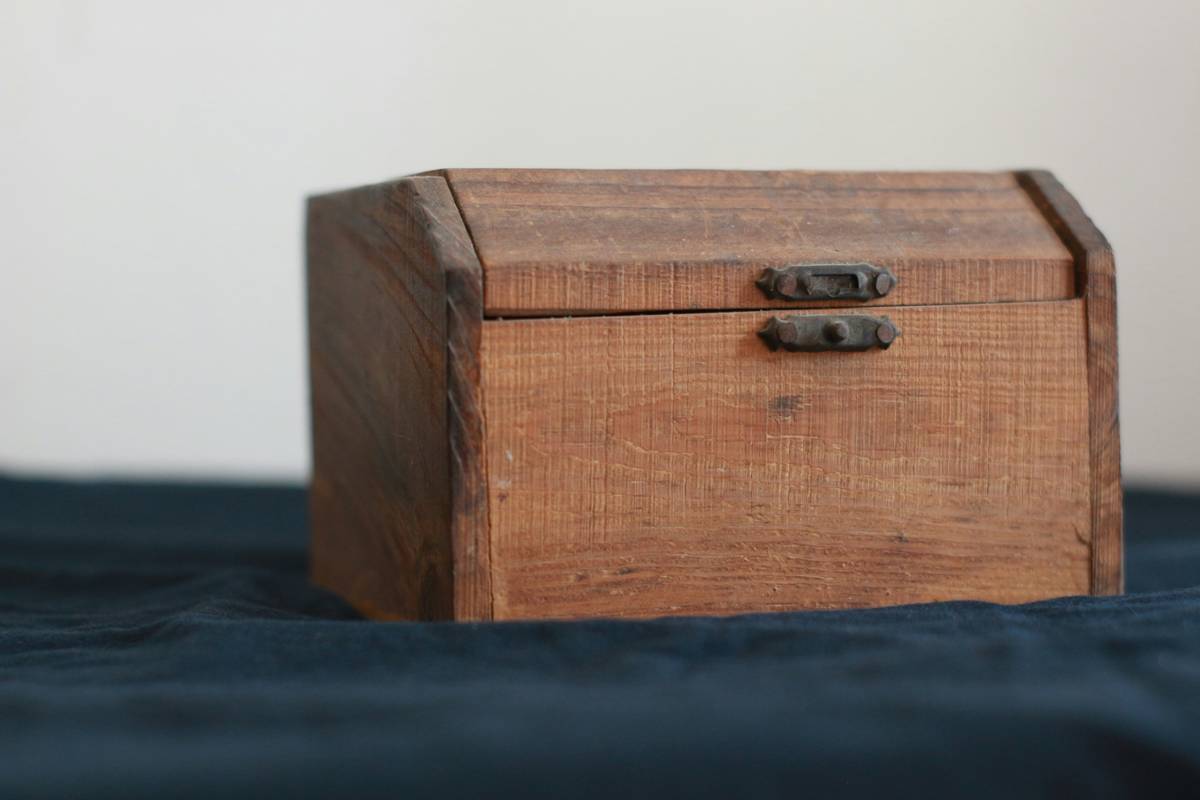
Avoid porous materials like untreated wood or unglazed ceramic—they absorb moisture and transfer it to your jewelry. Go for sealed resin, powder-coated metal, or glass with airtight seals. Bonus points if it doubles as a planter insert.
Engineer Separate Micro-Zones
Your jewelry needs dry air; your mint needs damp soil. Physically isolate them. Use removable trays, silicone dividers, or even a hidden drawer beneath the soil chamber. Airflow gaps matter—no direct contact between roots and rings.
Pick Plants That Won’t Sabotage Shine
Steer clear of high-transpiration species like ferns or peace lilies. Opt for low-moisture plants: snake plants, ZZ plants, or air plants (tillandsia). They emit less humidity and shed fewer particles. Less mess = less cleaning.
Maintain with Minimal Touch
Open the jewelry compartment only when needed. Wipe hinges and seals monthly with a microfiber cloth. Store pieces in anti-tarnish pouches inside the box—never loose.
| Approach | Cost Range | Jewelry Safety | Plant Compatibility |
|---|---|---|---|
| DIY Upcycled Planter Box | $15–$40 | Moderate (requires sealing) | Low (risk of cross-contamination) |
| Modular Dual-Chamber Unit | $60–$120 | High (sealed compartments) | High (engineered separation) |
| Pre-Made Decorative Combo | $90–$200 | Variable (check materials) | Medium (design-focused) |
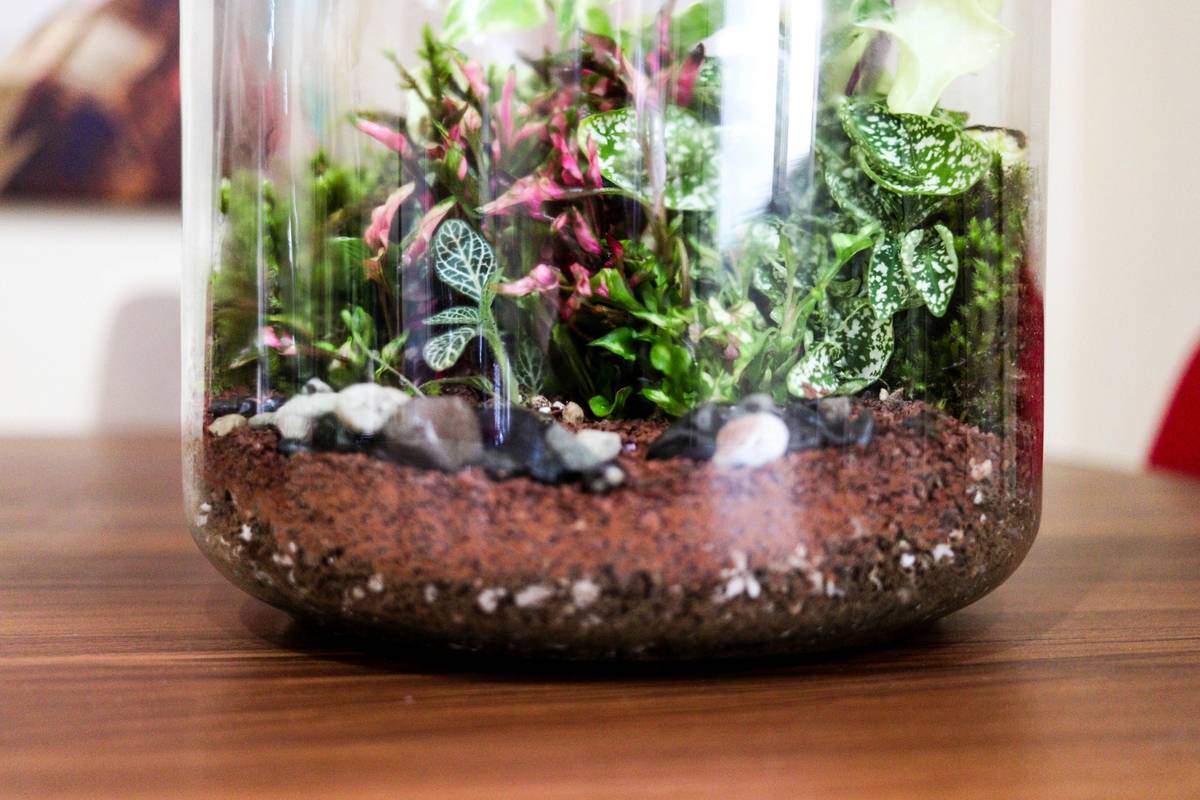
The Industry Secret: Humidity Is Your Silent Enemy
Here’s what no decor blog tells you: even “dry” indoor gardens raise ambient humidity by 15–30%. Silver tarnishes at just 60% RH. Pearls degrade above 50%. Most combo boxes look gorgeous but lack vapor barriers. The fix? Line the jewelry chamber with silica gel packs *behind* a mesh barrier—replace them quarterly. Or better yet, integrate a miniature hygrometer. If you can’t measure it, you’re gambling with heirlooms. And that $200 necklace? It’s worth more than your fiddle leaf fig.
FAQ
Can I use a regular wooden jewelry box near my indoor plants?
No—if it’s not fully sealed and finished with marine-grade varnish, moisture will seep in. Opt for non-porous alternatives.
Do air plants work best for indoor garden jewelry boxes?
Yes—they need no soil, release minimal moisture, and thrive on neglect. Perfect for low-interference setups.
How often should I check for tarnish in a combined unit?
Every 2–3 weeks. Wipe metal pieces with a treated polishing cloth. Prevention beats restoration every time.