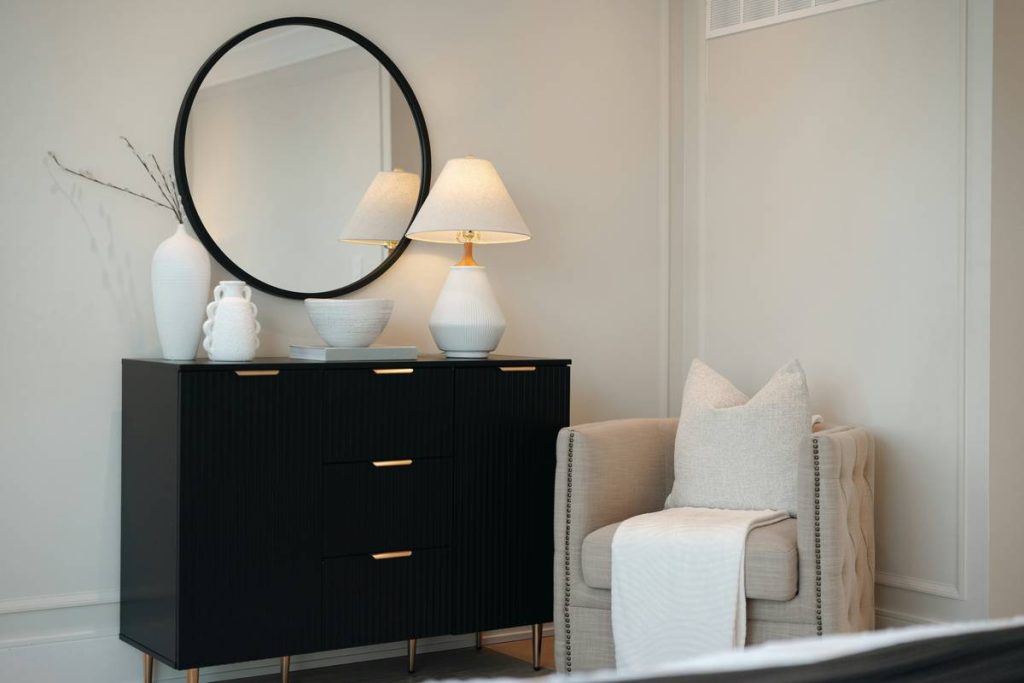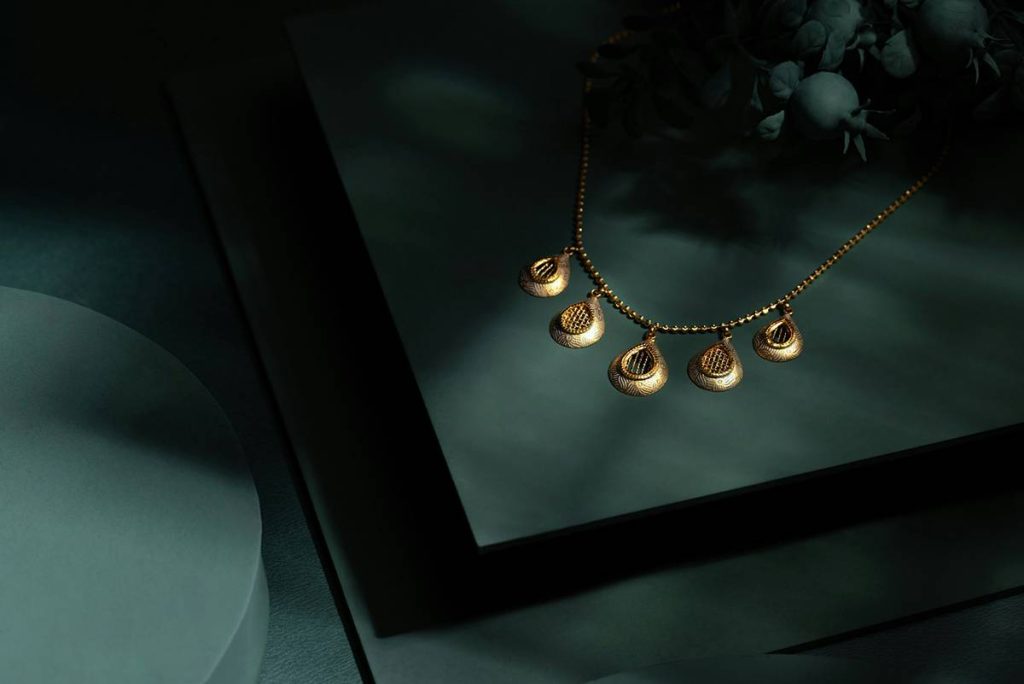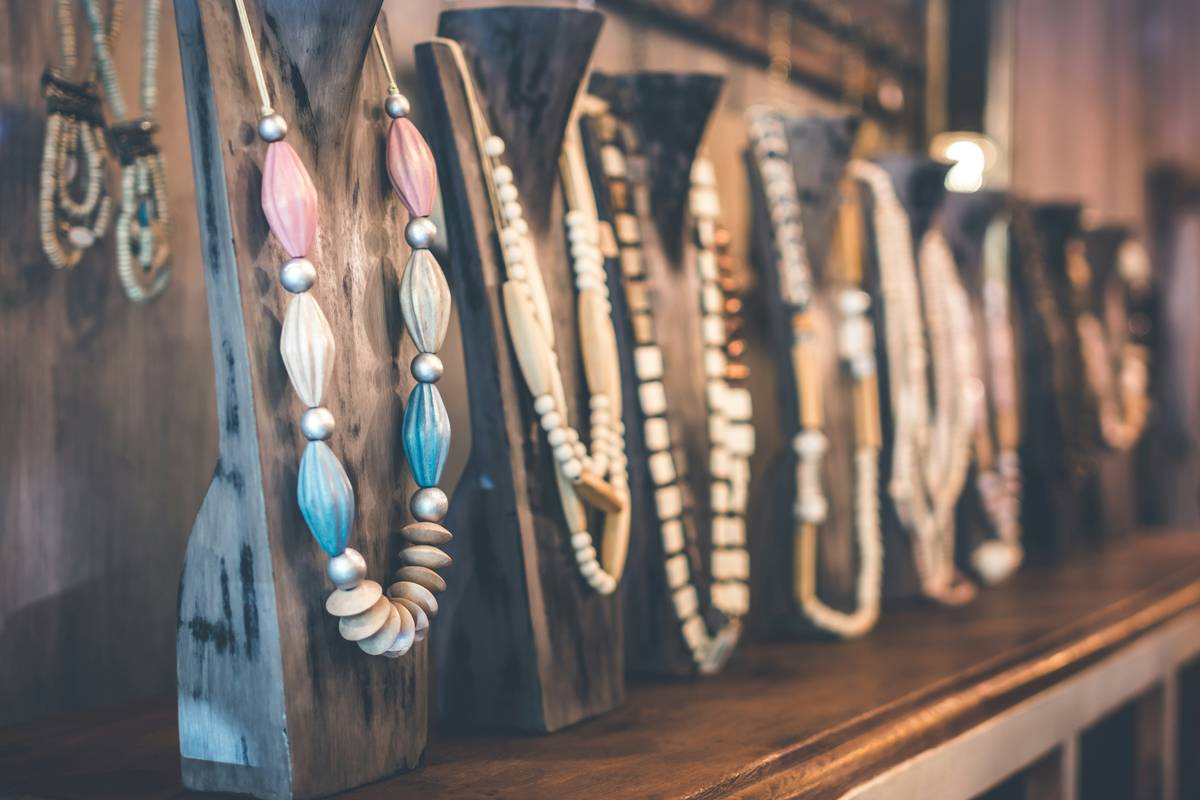
You bought a gorgeous jewelry box. Placed it on your dresser like every Pinterest mood board suggested. Yet something feels…off. Cluttered? Out of place? Like it’s just sitting there—not elevating your space, but competing with it. The problem isn’t your taste. It’s how you’re treating the jewelry box—as storage first, decor second. Big mistake. A well-styled jewelry box home decor piece should whisper luxury, not scream utility.
Most Jewelry Boxes Clash With Your Decor—Here’s Why
Manufacturers design jewelry boxes for function. Velvet-lined trays, hidden compartments, locking mechanisms—none of that matters if it looks like a pawn shop relic next to your Scandinavian nightstand. And most do. They’re built like safes, not style statements. You end up hiding them in drawers or closets, defeating their decorative purpose entirely.
But here’s the reality: your jewelry box doesn’t need more compartments. It needs cohesion.
How to Integrate a Jewelry Box Into Your Home Decor (Step by Step)
Forget “just add flowers.” This is about material harmony, scale, and intentional placement. Start by auditing your room’s existing textures and tones.
Match Materials, Not Just Colors
A walnut jewelry box beside a white lacquer dresser? Disaster. Pair wood with wood—even if finishes differ slightly. Metal boxes? Only if your room already features brass, chrome, or iron accents elsewhere (lamp bases, frames, drawer pulls).
Scale Matters More Than You Think
Oversized boxes dominate small vanities. Tiny trinket boxes vanish on wide consoles. Measure your surface area first. Rule of thumb: the box should occupy ⅓ to ½ of the available depth—not more.
Style It Like Art—Not Storage
Leave it open occasionally to reveal interior lining. Drape one delicate chain over the edge. Place it on a small ceramic dish or vintage book stack to elevate visually. Treat it like curated still life, not a catch-all.
| Integration Factor | Poor Execution | Effective Execution |
|---|---|---|
| Material Harmony | Glossy black box in rustic farmhouse bedroom | Distressed wood box on reclaimed oak dresser |
| Placement Height | Sitting flat on cluttered bathroom counter | Raised on a linen-covered tray atop a clean nightstand |
| Visual Weight | Heavy ornate box overwhelming minimalist shelf | Slender mirrored box complementing airy decor |
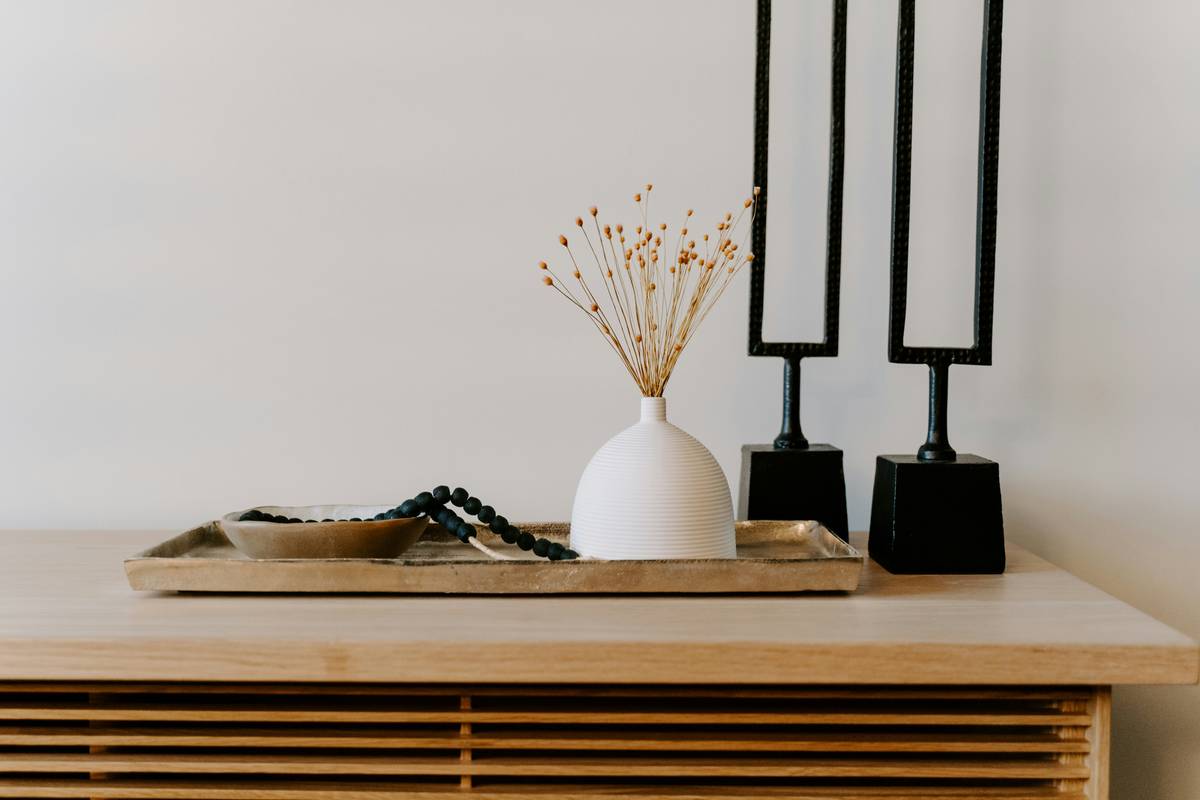
The Industry Secret: Top Designers Use Empty Boxes On Purpose
Here’s what no one tells you: sometimes the best-looking jewelry box contains almost nothing. Professional stagers often use beautiful—but nearly empty—boxes because overcrowding kills elegance. The eye craves negative space. If your box bulges with tangled necklaces, it reads as chaotic, not curated. Keep only 3–5 favorite pieces visible. Rotate the rest monthly. This isn’t hoarding—it’s editing. And editing is where true decor sophistication lives.
Yes, it sounds wasteful. But think about it: would you cram every spice into one jar just because it fits? Of course not. Treat your display the same way.
Frequently Asked Questions
Can a jewelry box be purely decorative?
Absolutely. Many high-end boxes are designed as objets d’art first. If it enhances your room’s aesthetic—even empty—it earns its place in your jewelry box home decor strategy.
Where’s the best spot for a jewelry box in the bedroom?
On a dedicated vanity, nightstand, or floating shelf—never lost in dresser clutter. It needs breathing room to read as intentional design, not afterthought storage.
Do jewelry boxes need to match other furniture exactly?
No. But they must echo at least one material or finish already present. A single shared element—like brushed brass or matte black—creates subconscious harmony without looking staged.