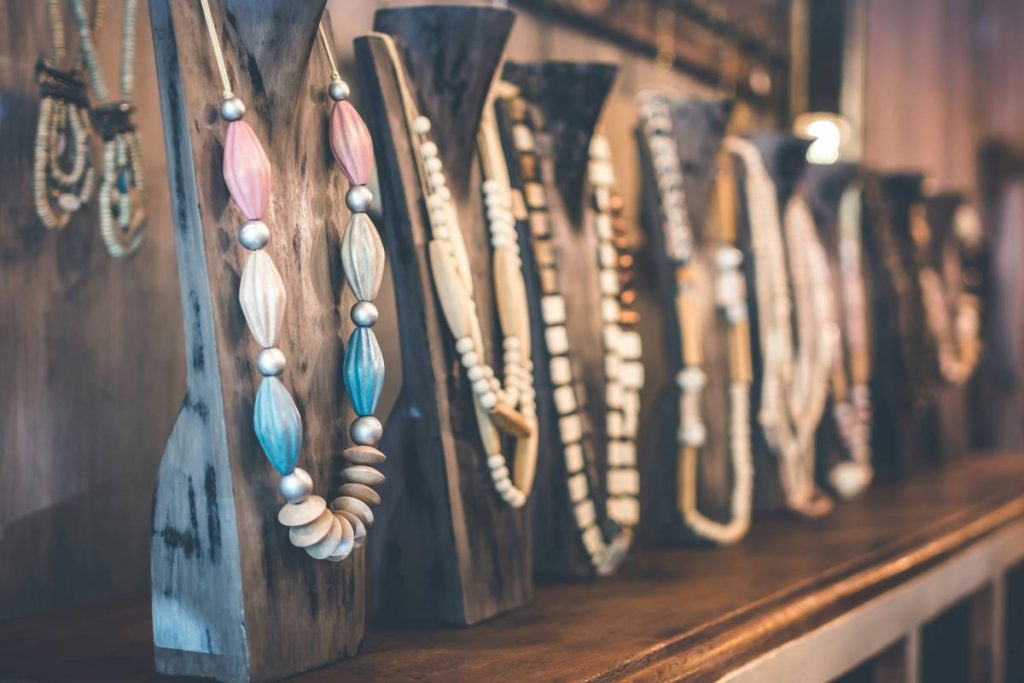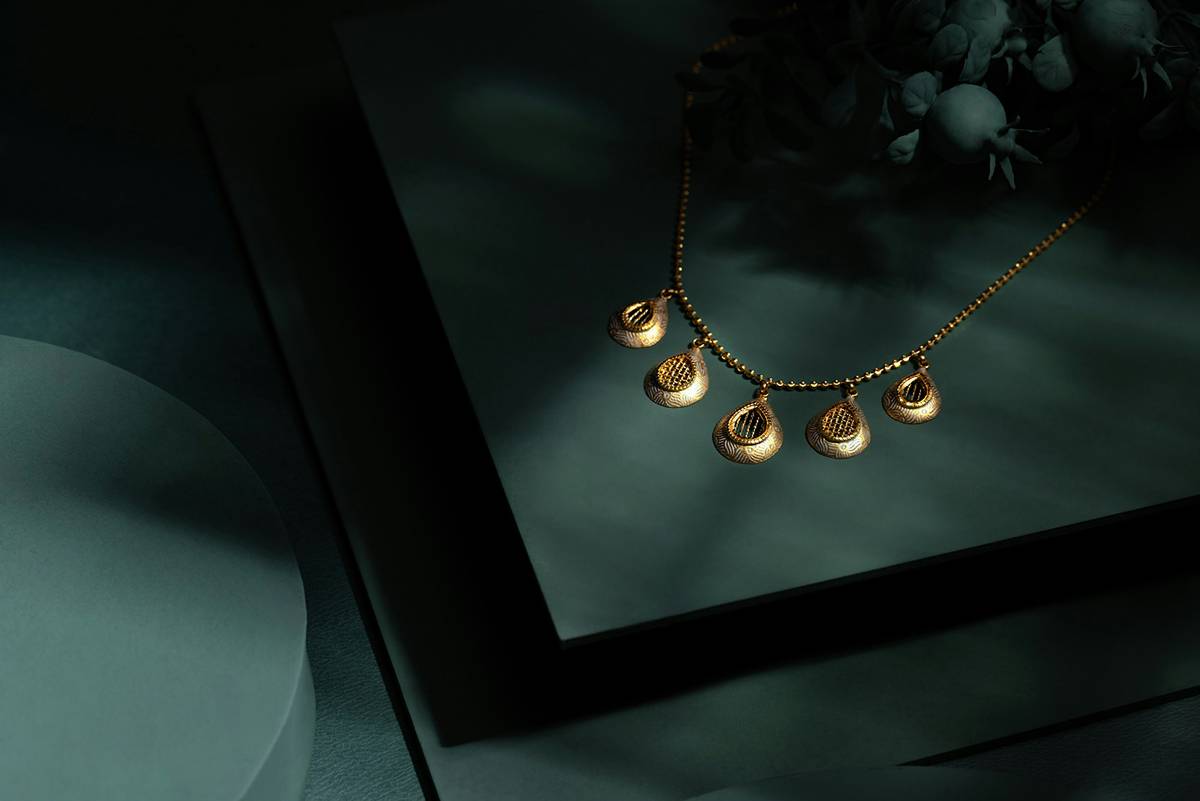
Your jewelry vanishes—not stolen, just lost—buried under scarves, tangled in drawers, or abandoned on nightstands. You own beautiful pieces, but without a dedicated home, they lose luster and purpose. The fix isn’t another cluttered organizer. It’s at home jewelry boxes designed for real life—not showroom fantasies.
Why Generic Trinket Trays Fail
Most people grab whatever box came with their last necklace. Or worse—they toss everything into a velvet-lined drawer from 2003 that smells faintly of mothballs. These “solutions” ignore motion, material, and daily rhythm. Rings roll into crevices. Earrings vanish mid-morning rush. Necklaces knot like angry serpents. And humidity? It turns silver into sad, tarnished relics.
The market is flooded with pretty-but-useless containers. They’re built for display, not defense.
How to Choose & Use At Home Jewelry Boxes That Actually Work
Forget one-size-fits-all. Your storage needs depend on your collection’s size, metal types, and how often you accessorize. Here’s how to match the box to your behavior—not the other way around.
Assess Your Inventory First
Pour everything out. Yes, everything. Separate by category: daily wear vs. occasion pieces, metals (silver oxidizes faster), and delicate chains. If over 60% are worn weekly, you need quick-access compartments—not lockable heirloom vaults.
Prioritize Material Over Aesthetics
A gorgeous lacquered box means nothing if it off-gasses chemicals that corrode pearls. Look for acid-free linings, solid wood (not MDF), and anti-tarnish strips sewn into fabric—not slapped on as an afterthought.
Size It Right—Not Bigger
Oversized boxes encourage clutter sprawl. A compact, modular design forces curation. And curated collections get used more. Simple math: less chaos = more confidence getting dressed.
| Box Type | Ideal For | Price Range | Tarnish Protection? |
|---|---|---|---|
| Stackable Acrylic Trays | Daily earrings, studs, small rings | $15–$40 | No — best indoors, low humidity |
| Solid Wood w/ Felt Lining | Mixed metals, moderate collections | $50–$120 | Yes — if sealed properly |
| Vacuum-Sealed Travel Cases | Frequent travelers, humid climates | $30–$80 | Yes — blocks moisture completely |
| Antique-Style Lockboxes | Heirlooms, luxury items | $100–$300+ | Only if lined with anti-tarnish fabric |
The Industry Secret No One Talks About
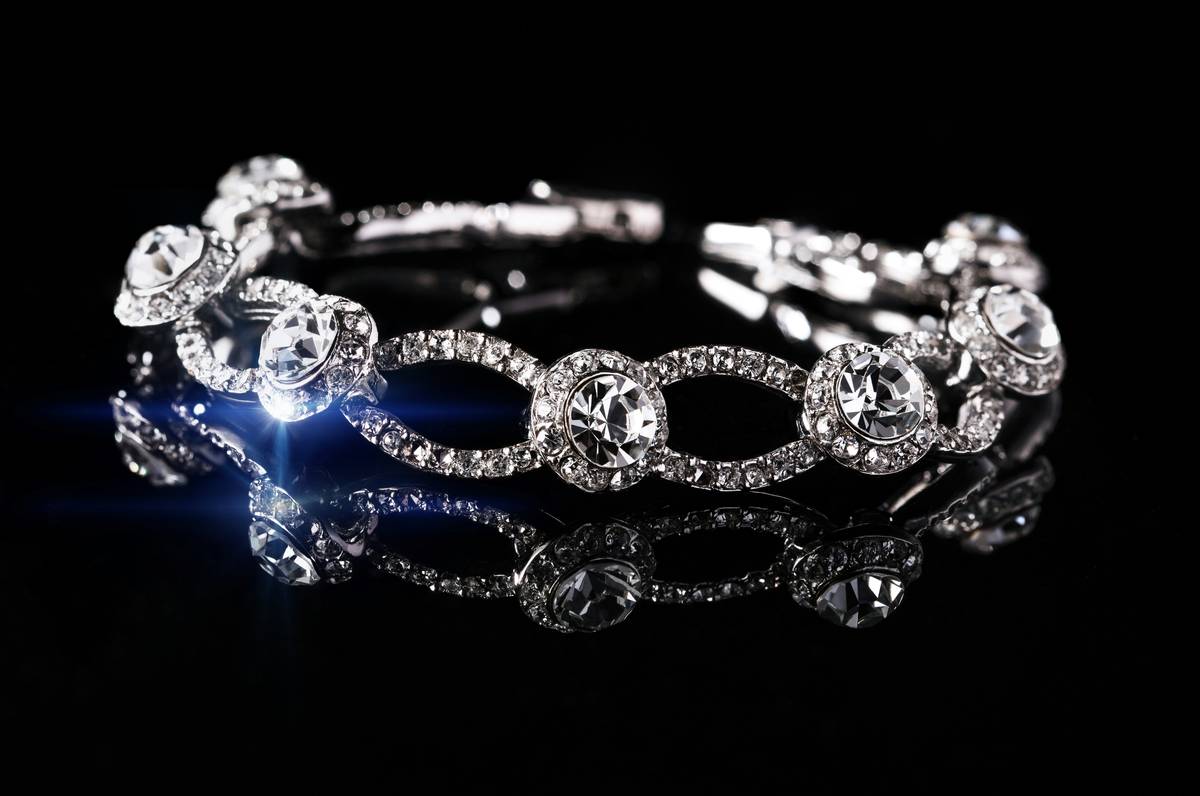
Here’s what boutique jewelers won’t tell you: the lining matters more than the lock. Many high-end boxes use cheap synthetic velvet that traps sulfur compounds—accelerating tarnish on silver. Real preservation comes from natural materials like untreated cotton, linen, or specially treated microfiber embedded with silvercloth technology. And—this is critical—never store rubber bands or elastic near your jewelry. They degrade and release acids that pit metal surfaces within months. I’ve seen $2,000 necklaces ruined by a hair tie left in the same compartment. The box wasn’t the villain. The habit was.
Frequently Asked Questions
Can I use a cigar humidor as a jewelry box?
Technically yes—but only if thoroughly cleaned and relined. Cedar releases oils that damage pearls and soft gemstones. Not worth the risk unless modified by a pro.
How often should I clean my at home jewelry boxes?
Wipe interiors monthly with a dry microfiber cloth. Deep clean linings every 6 months using a vacuum’s brush attachment—never water or sprays.
Do at home jewelry boxes prevent tarnish completely?
No box stops tarnish forever. But quality ones with anti-tarnish linings slow oxidation by 70–90% compared to open-air storage.